Swiss expertise is being drawn upon to improve access to vocational education and training for third-country nationals and facilitate their integration into the Lithuanian labour market. As part of the project “Increasing the Accessibility of Vocational Education and Training for Third-Country Nationals”, implemented under the Lithuanian–Swiss Cooperation Programme, Lithuanian specialists took part in a study visit to Switzerland, where they explored the organisation of practical training, apprenticeship models and approaches to making vocational education and training more accessible.
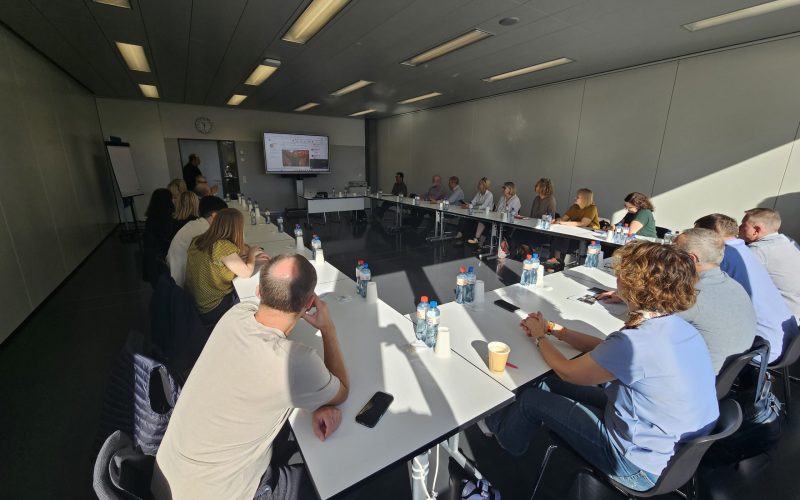
The five-day programme brought together 19 representatives from Lithuanian vocational education and training institutions, business organisations, the Ministry of Education, Science and Sport, the Ministry of the Economy and Innovation, the Central Project Management Agency (CPMA), and the Embassy of Switzerland to Latvia, Lithuania and Estonia. The Lithuanian delegation was hosted by the Swiss organisation Hotel & Gastro formation Switzerland, which provided an opportunity to gain first-hand insights into the country’s vocational education and training practices.
In Switzerland, vocational education and training is closely aligned with labour market needs. Theoretical knowledge is combined with practical training in companies and specialised training centres, while employers play an active role in preparing future professionals. The Lithuanian delegation explored how this cooperation is organised, how training quality is ensured and how learners are supported in continuously developing their professional skills.
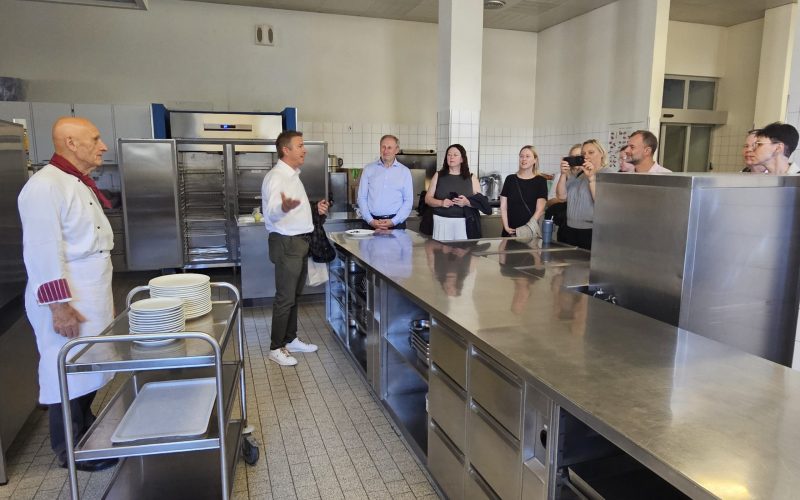
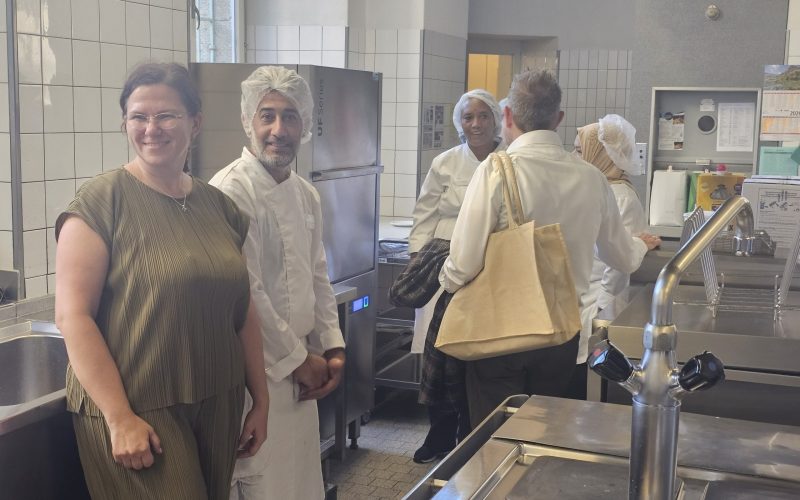
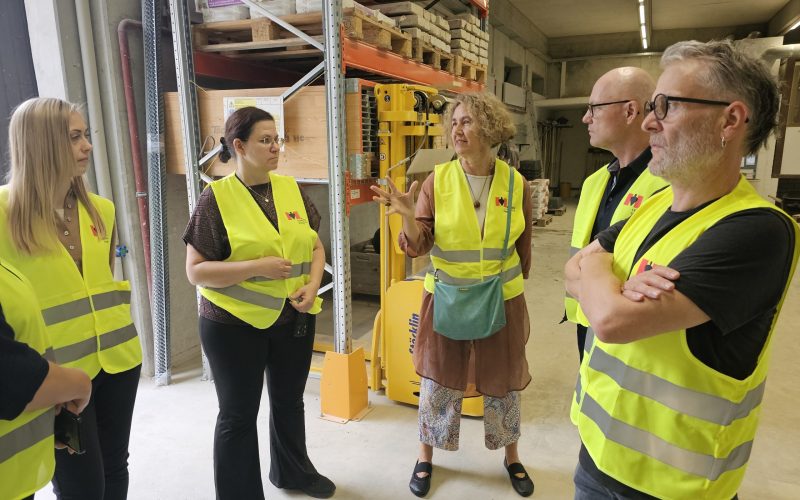
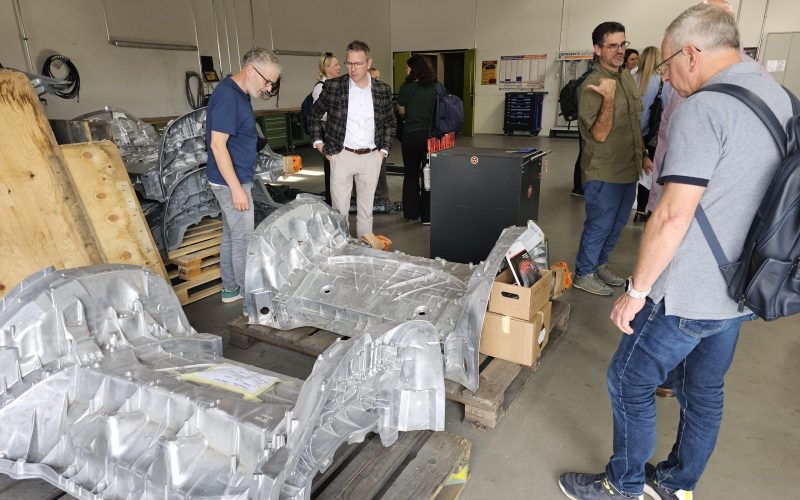
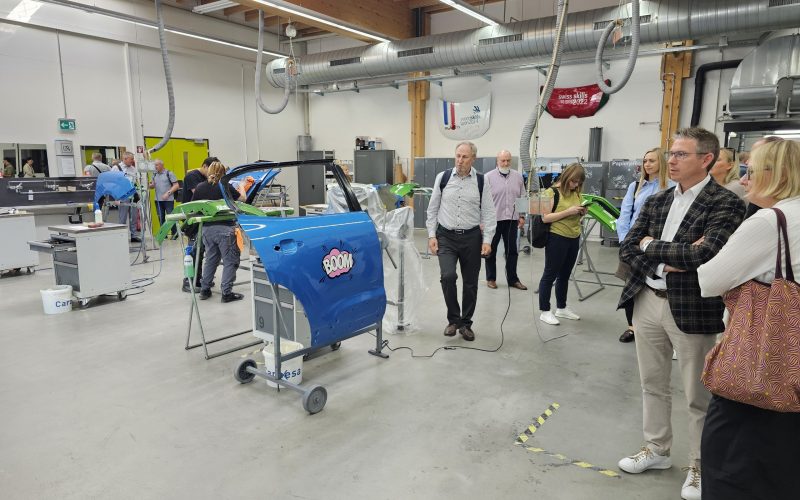
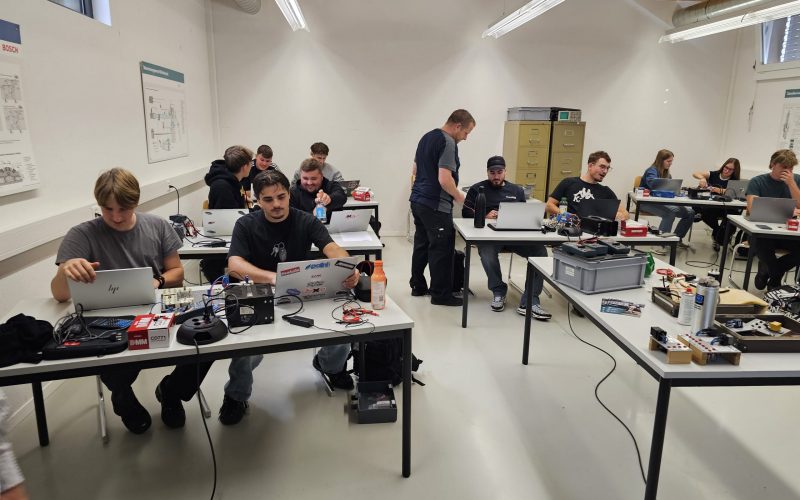
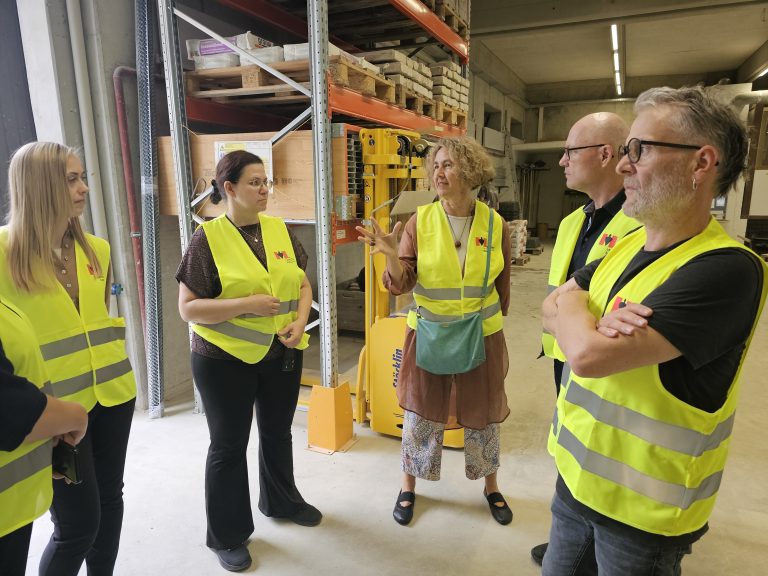
During the visit, the delegation toured vocational education and training institutions, companies and practical training centres providing training for specialists in automotive repair, construction, electrical engineering, hairdressing and hospitality. At GIBZ Vocational School and the Zurich Hotel Management School, participants learned about the organisation of training at different qualification levels, while visits to Emil Frey and Dätwyler Switzerland provided insights into how apprenticeships are implemented in everyday working environments.
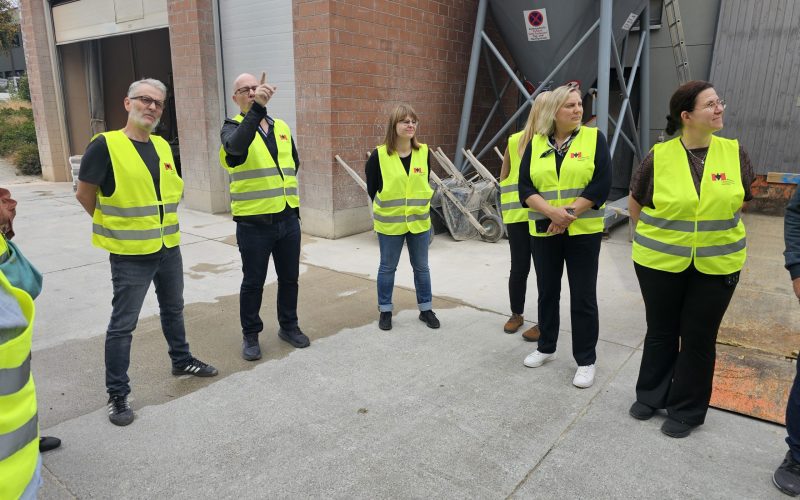
At the Mobilcity practical training centre in Bern and the MLS training centre in Sursee, participants were introduced to how professional associations, training institutions and companies work together to organise practical training, maintain common training standards and prepare specialists for qualification assessments. These examples enabled the Lithuanian representatives to assess how cooperation between different institutions can contribute to improving the quality of vocational education and training.
Considerable attention was also paid to the accessibility of vocational education and training. The Progresso and Perfecto programmes implemented in Switzerland, together with occupation-specific language training, demonstrated how the development of practical skills can be combined with support for people without formal qualifications, unemployed individuals and people with refugee status. Such approaches are particularly relevant to helping third-country nationals acquire a profession, develop their existing skills and integrate more successfully into the labour market.
The experience gained in Switzerland will support the Qualifications and Vocational Education and Training Development Centre in implementing its planned activities. The project aims to strengthen the competences of staff working in vocational education and training institutions, develop methodological resources and adapt 10 non-formal vocational training programmes to the needs of third-country nationals. At least five programmes are planned to be piloted, providing training opportunities for no fewer than 50 third-country nationals.
“The Swiss experience demonstrates how close cooperation between vocational education and training institutions and employers can help ensure high-quality and accessible vocational education and training. It is important that the knowledge gained during this study visit is put into practice in Lithuania and contributes to tangible improvements in the vocational education and training system,” says Marius Navadunskis, CPVA representative.
The experience gained during the visit could benefit not only the vocational education and training institutions that took part, but also public authorities responsible for shaping policy in this field and social partners contributing to the development of vocational education and training.
The project (No. PROF-ŠMSM-P-001) is implemented under the Vocational Education and Training component of the Swiss–Lithuanian Cooperation Programme 2024–2029 and is financed by the Swiss Confederation and the state budget of the Republic of Lithuania. The implementation of the Programme is administered by the Central Project Management Agency (CPVA).