A strong civil society does not emerge on its own – it is built through consistent effort, dialogue, and trust. Contributing to this goal is the Lithuanian–Swiss Cooperation Programme, which promotes the exchange of good practice, strengthens the capacities of institutions and organisations, and supports long-term change in Lithuania. One of the Programme’s focus areas is strengthening civic engagement, under which the project “Strengthening the Role of NGO’s and increasing their transparency” is being implemented.
The project aims to increase the participation of the public and non-governmental organisations (NGOs) in decision-making processes, strengthen civic engagement, and enhance the transparency and accountability of the NGO sector. This is particularly important today, as the strength of democracy depends not only on the work of public institutions but also on an active, responsible civil society that enjoys public trust.
The need for such a project is also highlighted by research conducted by the Organisation for Economic Co-operation and Development (OECD), which found that public trust in public institutions and citizens’ belief that their views are considered in decision-making remain insufficient.
One of the project’s key initiatives is the development of Lithuania’s first NGO Accountability Standard. The Standard is intended to help organisations grow and become stronger by enabling them to organise their work in a clearer, more consistent and transparent manner, strengthen public trust, and create the conditions for the sustainable development of the NGO sector.
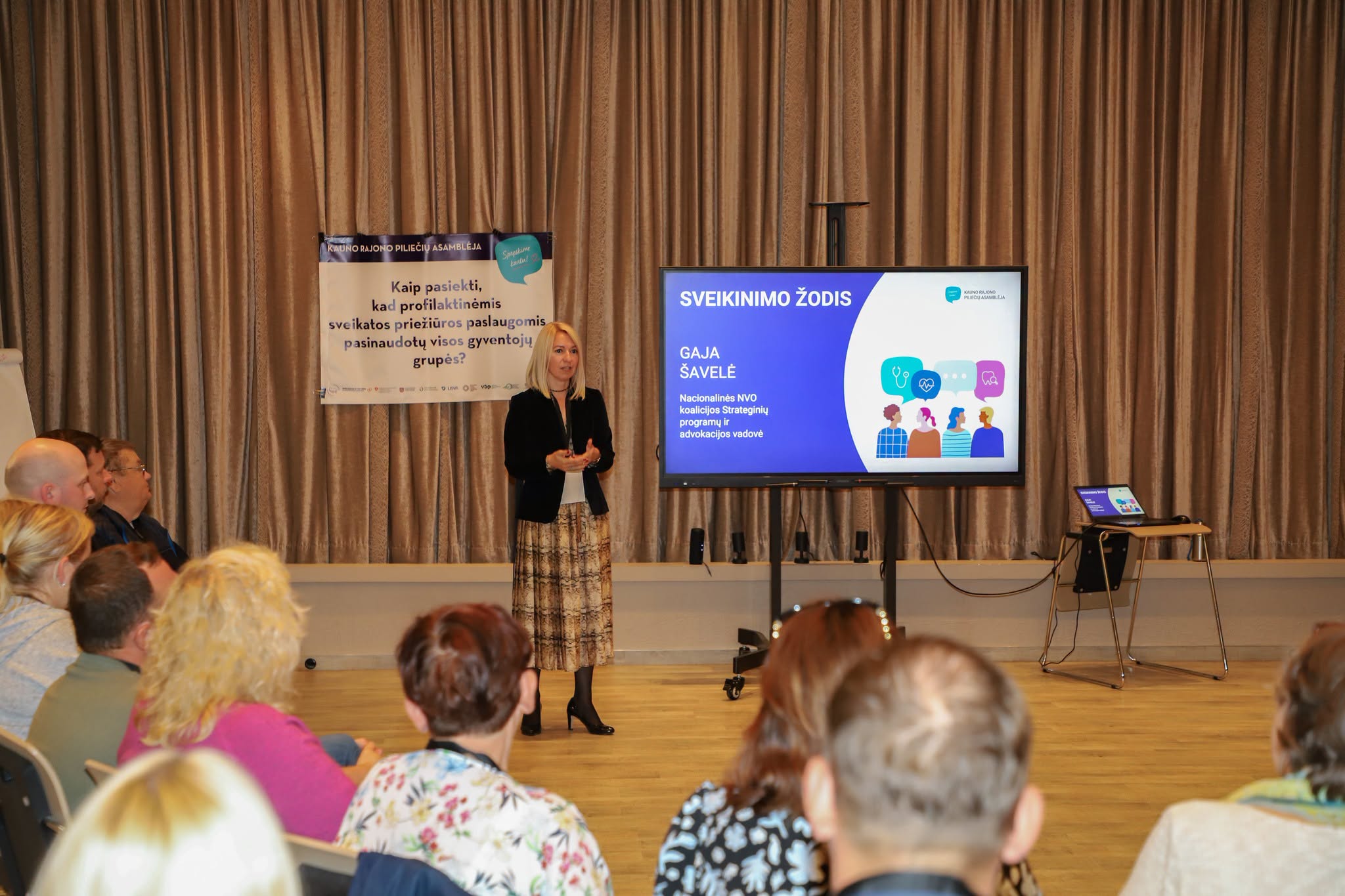
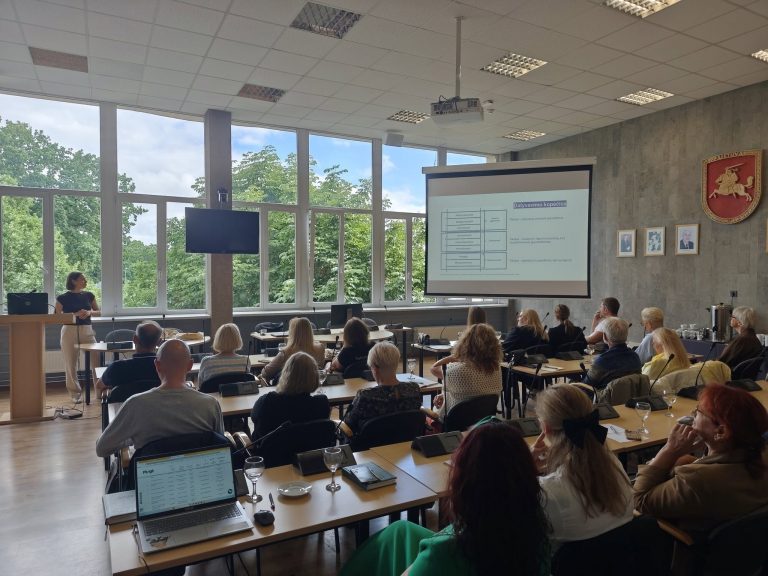
Importantly, the Standard is not being developed behind closed doors by a small group of experts. Its development actively involves NGOs of varied sizes and fields of activity, representatives of municipalities, and other civil society stakeholders. During regional consultation workshops, participants discussed how the principles of transparency can be applied in the day-to-day work of organisations, how to strike a balance between accountability and administrative burden, and which solutions could help strengthen organisational reputation and public trust.
A key co-creation milestone was the national workshops held in Šiauliai and Vilnius, where insights gathered during the regional consultations were consolidated, the provisions of the future Standard were refined, and opportunities for its application at the national level were discussed. This collaborative process helps ensure that the Standard reflects the real needs of organisations and is practical for NGOs of varied sizes and operating across a wide range of fields.
“We are developing the NGO Accountability Standard not as another formal checklist of requirements, but as a practical self-regulation tool that helps organisations better assess their performance, report more openly to the public, and strengthen their work in a systematic way. By involving NGOs of different sizes and operating in various fields in the co-creation process, we aim to ensure that the Standard reflects the realities of the sector, does not create unnecessary administrative burdens, and contributes to greater public trust,” says Gaja Šavelė, Project Manager and NGO expert.
The development of the NGO Accountability Standard is only one part of the project. The project also includes a range of initiatives aimed at strengthening civil society, including seminars, public trust surveys on NGOs, activities to reinforce dialogue between NGOs, public institutions and international partners, as well as a pilot NGO shadowing programme that provides citizens with an opportunity to gain first-hand insight into the work of non-governmental organisations.
International cooperation adds value to the project. The project includes collaboration with the Swiss organisation Foundation ZEWO, which has been one of Switzerland’s leading experts in NGO transparency and accountability for many years. Sharing the organisation’s extensive experience will help ensure that Lithuania’s NGO Accountability Standard is based on international good practice, identifies effective solutions, and adapts them to the needs of Lithuania’s NGO sector. This exchange of knowledge and good practice is one of the core principles of the Lithuanian–Swiss Cooperation Programme.
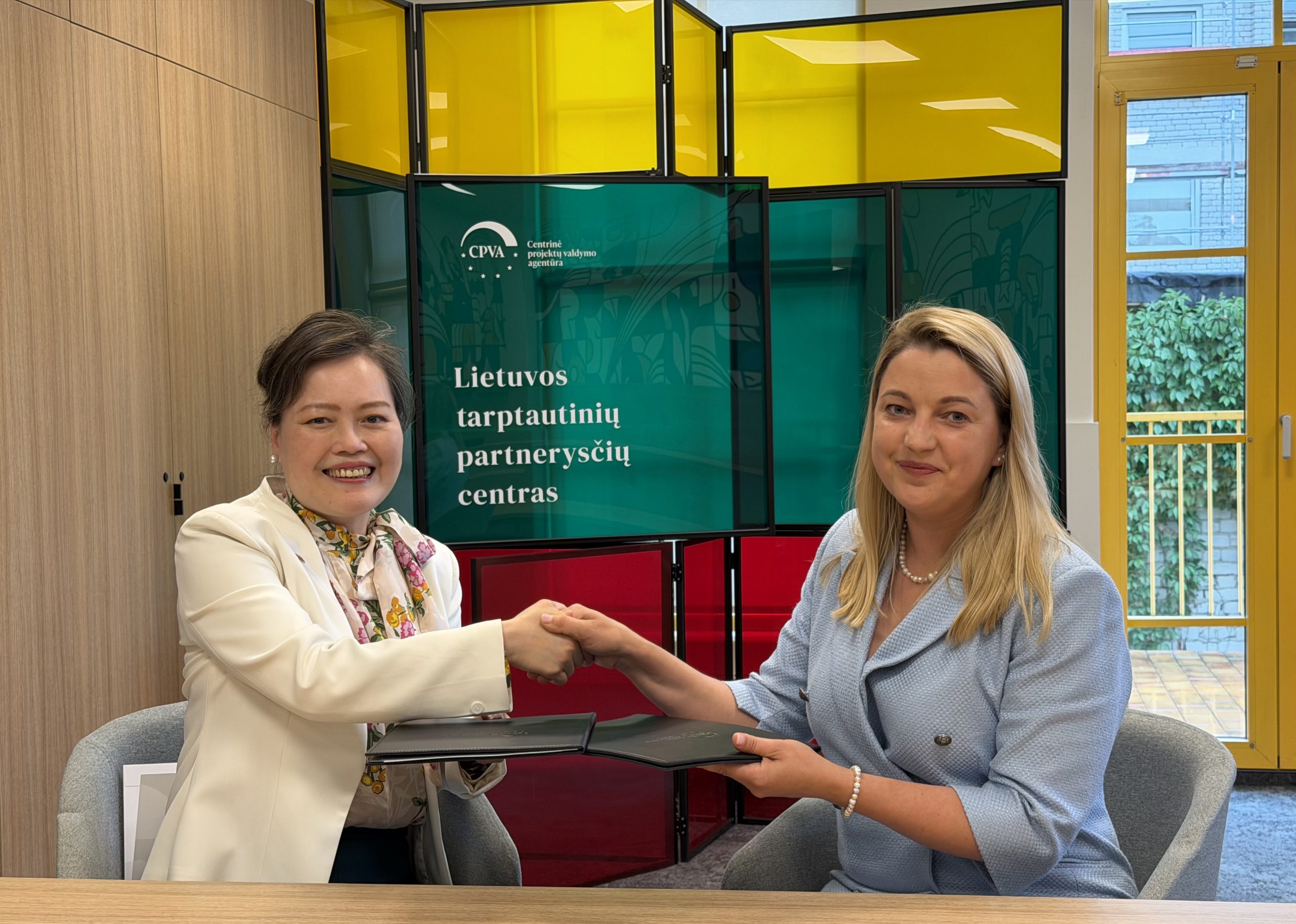
“It is important to us that the projects we support create value that continues long after the funding period has ended. Cooperation with our Swiss partners gives us the opportunity to draw on their long-standing experience and adapt it to Lithuania’s needs, creating sustainable solutions for the entire NGO sector,” says Brigita Nikonovičė, Senior Project Manager at the International Investment Department of the Central Project Management Agency (CPVA).
The development of the NGO Accountability Standard, together with the project’s other initiatives, contributes to strengthening the role of non-governmental organisations, fostering cooperation between NGOs and the public sector, and increasing public trust in the sector.
The project is being implemented under the “Civic Engagement” Programme of the Lithuanian–Swiss Cooperation Programme.