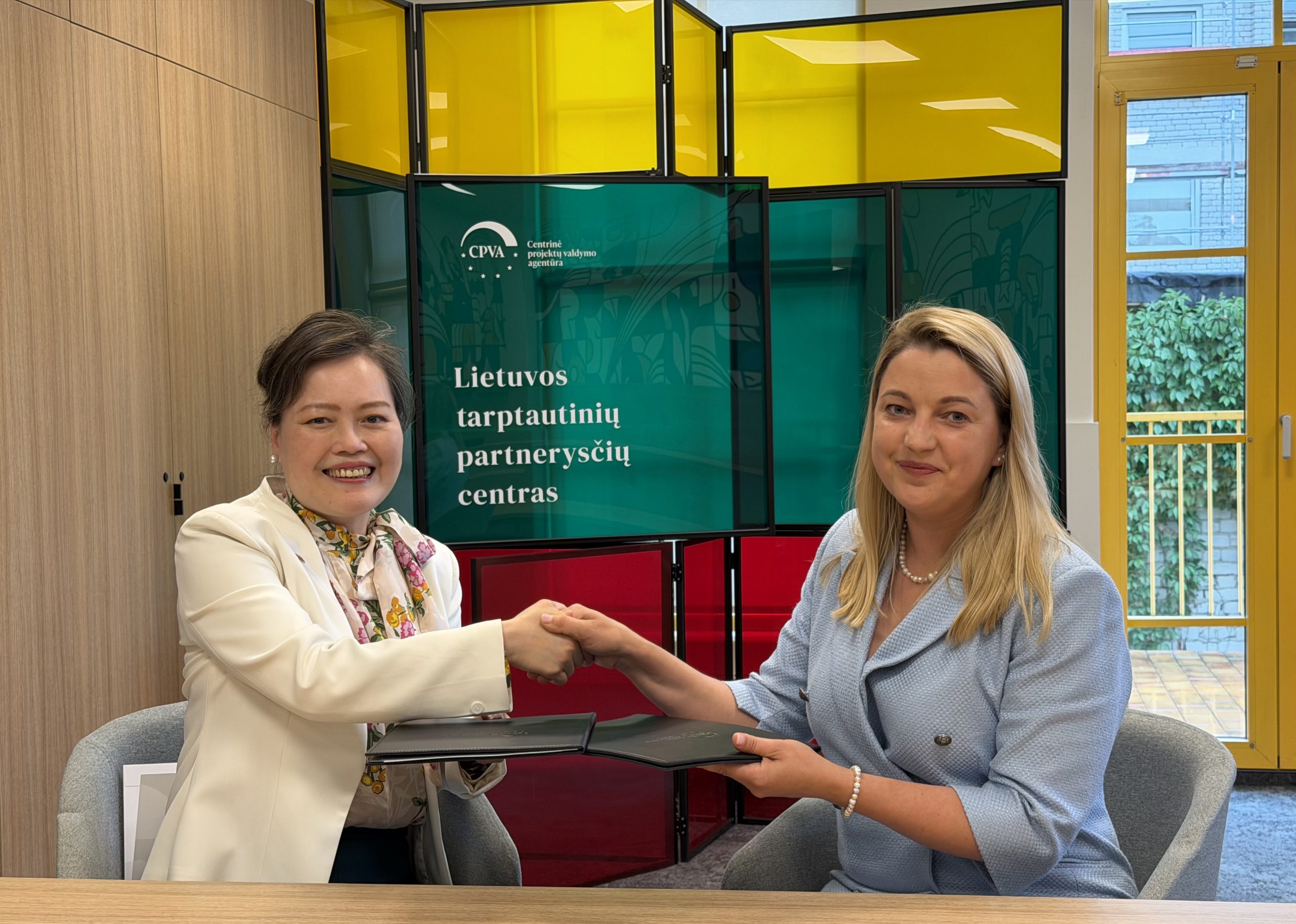
The STEAM & Catch UP program implemented by the Lithuanian International Partnerships Center (CPVA) in cooperation with the charitable foundation savED, and funded by Lithuania and Taiwan, has become a great support and recovery tool for the Ukrainian education system, its children, and its educators. The initiative empowers them to adapt to new realities and restore the quality learning process. As we are wrapping up the current phase of the programme, it is important to highlight the key achievements so far.
The COVID-19 pandemic and the ongoing full-scale war have placed immense pressure on Ukraine’s educational system. Millions of children have been forced into disrupted, remote, or hybrid learning conditions that traditional school curricula were never designed to handle. This has resulted in significant learning loss and growing psychological frustration among students. Education-sector losses are now estimated at a US$11.7 billion, much of it driven by learning losses (RDNA5). In fact, within just the first eight months of the 2022 full-scale invasion, Ukrainian children lost up to two years of learning progress.
The program addresses this by combining core academic recovery (Catch-Up) with an innovative, multi-disciplinary STEAM (Science, Technology, Engineering, Arts, and Mathematics) approach. These comprehensive, interactive learning formats minimise student fatigue and maximise focus. Simultaneously, engaging in practical, hands-on tasks improves interpersonal relationships among children, while new ways of delivering information and lesson structures increase productivity and trust between students and teachers.
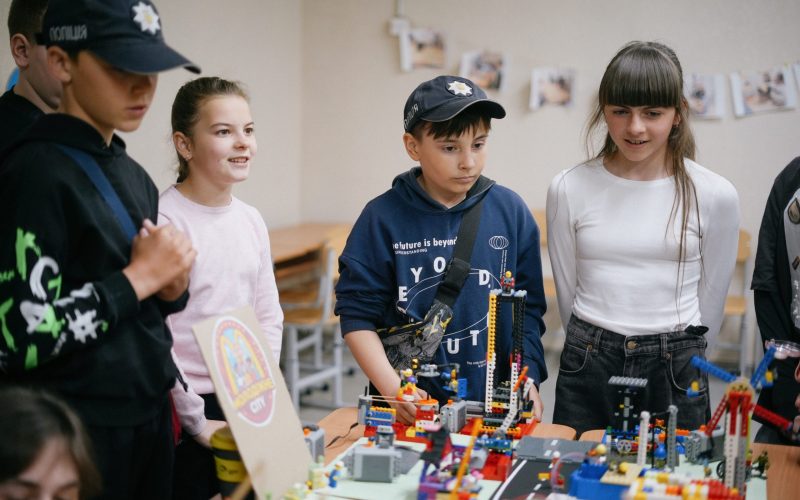
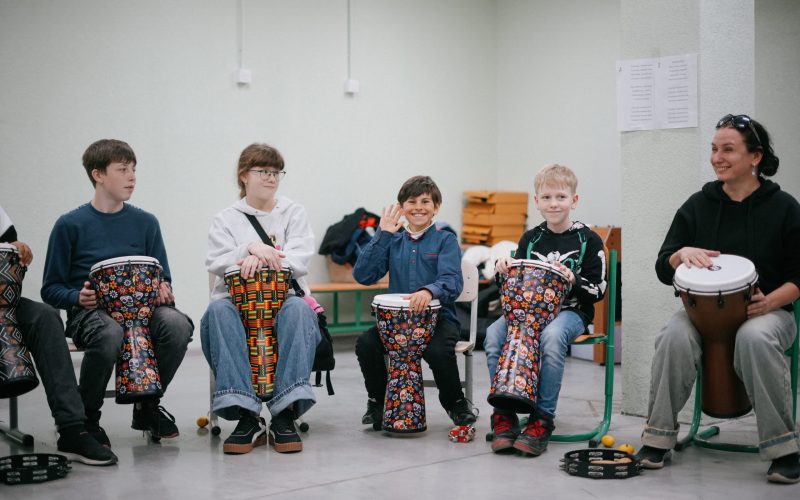
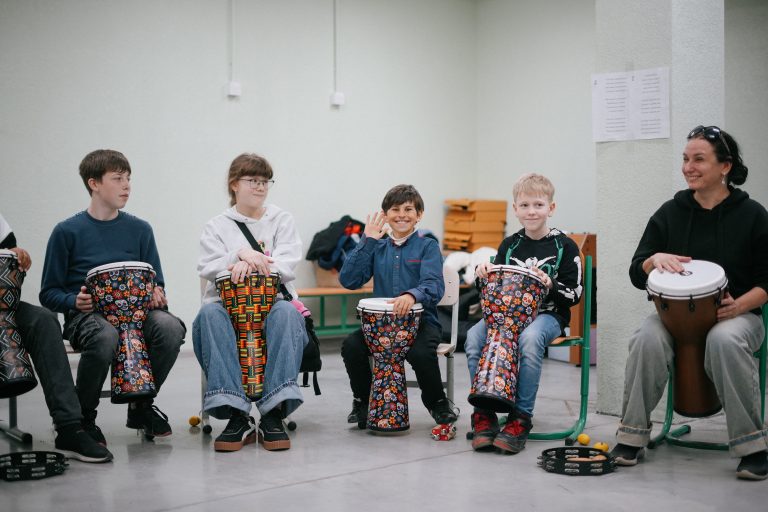
A major highlight of the program was the recent STEAM Festival, where children showcased their own engineering projects alongside artwork exhibitions, a playback theatre performance, and a musical presentation. The event demonstrated the children’s creativity, technical skills, and teamwork. The goal was to give children an understanding of scientific and engineering thinking as a tool for solving any life problem, as well as to ensure barrier-free access to art as a means of self-support and self-expression.
The tangible results of the programme so far demonstrate a clear path to restoring a high-quality learning process. The percentage of students rating their own academic performance as “excellent” doubled, while high enjoyment of learning increased from 36% to 44%. The academic improvements were mirrored by emotional shifts – joy about attending school increased from 2.0% to 13.4% and cut children’s anxiety in half, while post-school fatigue dropped overall. The program demonstrates fostering of social connections, so important during the time when children are lacking live communication with their peers. Students reported greater ease in finding common ground with peers and a stronger sense of trust in their teachers.
Ultimately, these results show the programme systematically restores children’s fundamental capacity to learn by rebuilding their confidence, emotional stability, and motivation.
Beyond supporting students, the program actively supports educators by equipping teachers with specialised methodological toolkits, modern digital resources, and the psychological training needed to teach effectively in high-stress environments. To further this mission, a cohort of Ukrainian teachers will visit Lithuania at the end of June to exchange best practices, receive advanced professional training, and access international peer support.