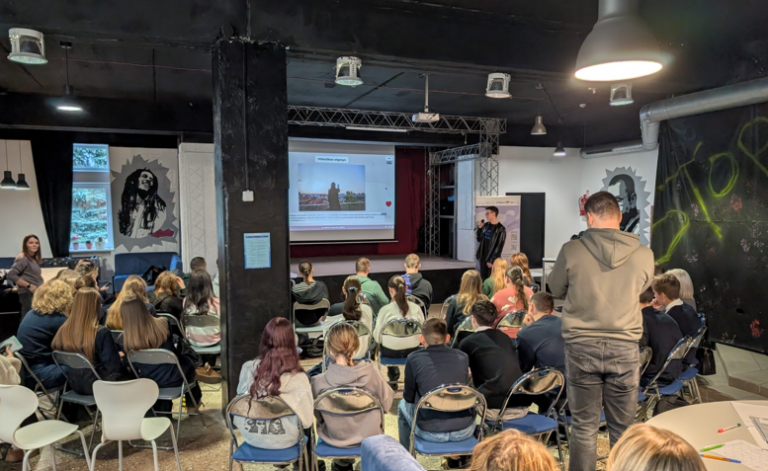
The Civic Engagement programme, one of three initiatives under the Lithuanian-Swiss Cooperation Programme, aims to foster more active participation of society in civic life and democratic processes. A significant contribution to this goal comes from one of the programme’s projects – Strengthening Youth Participation in Democratic Governance, covering the period 2025–2028.
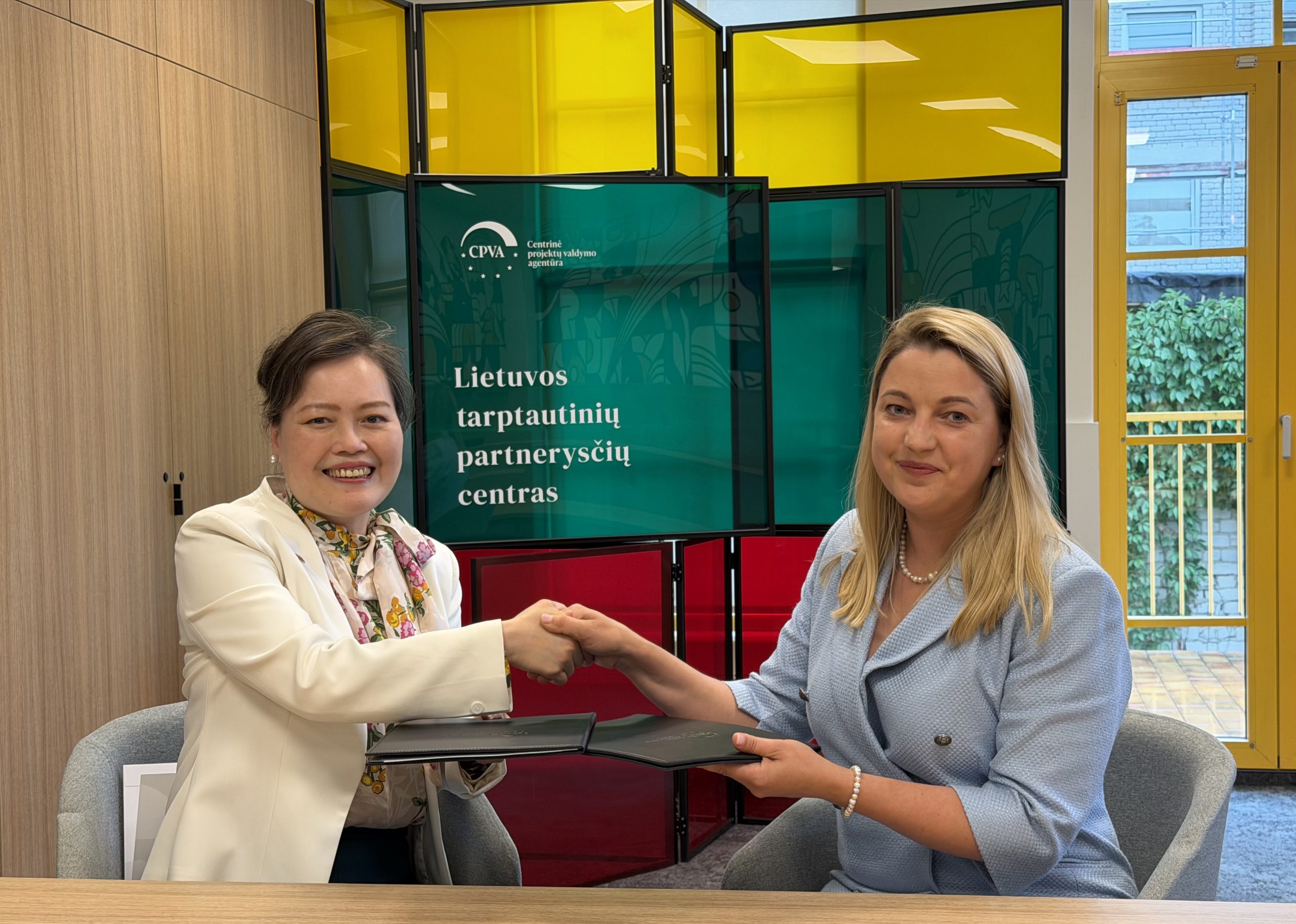
The programme’s implementation is managed by the Central Project Management Agency (CPMA), which monitors project progress and provides administrative and methodological support to ensure that youth engagement is not only active but also meaningful.
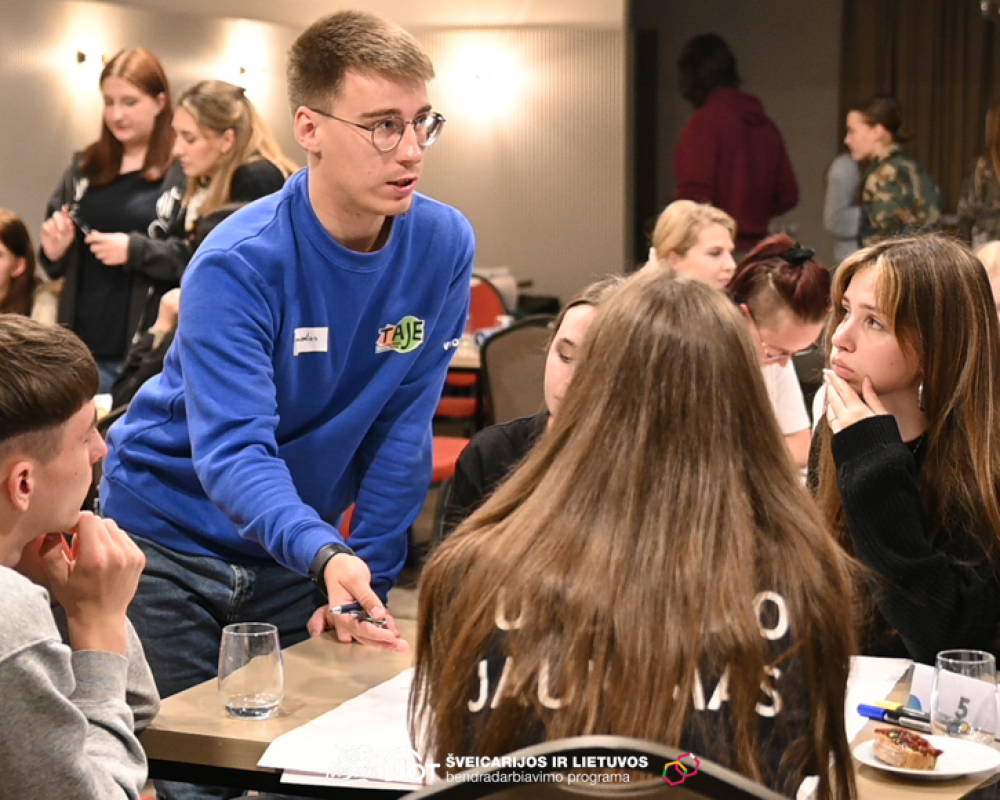
The project is led by the Agency of Youth Affairs, which actively carries out activities in partnership with the Lithuanian Youth Council, the Young Men‘s Christian Association of Lithuania, the Lithuanian School Student Union, the Lithuanian Scouting, and the Tolerant Youth Association. These organisations not only help youth participate in community life and strengthen civic competences but also directly involve them in project activities, which include various forms of non-formal education – hackathons, training sessions, simulations, and closing events.
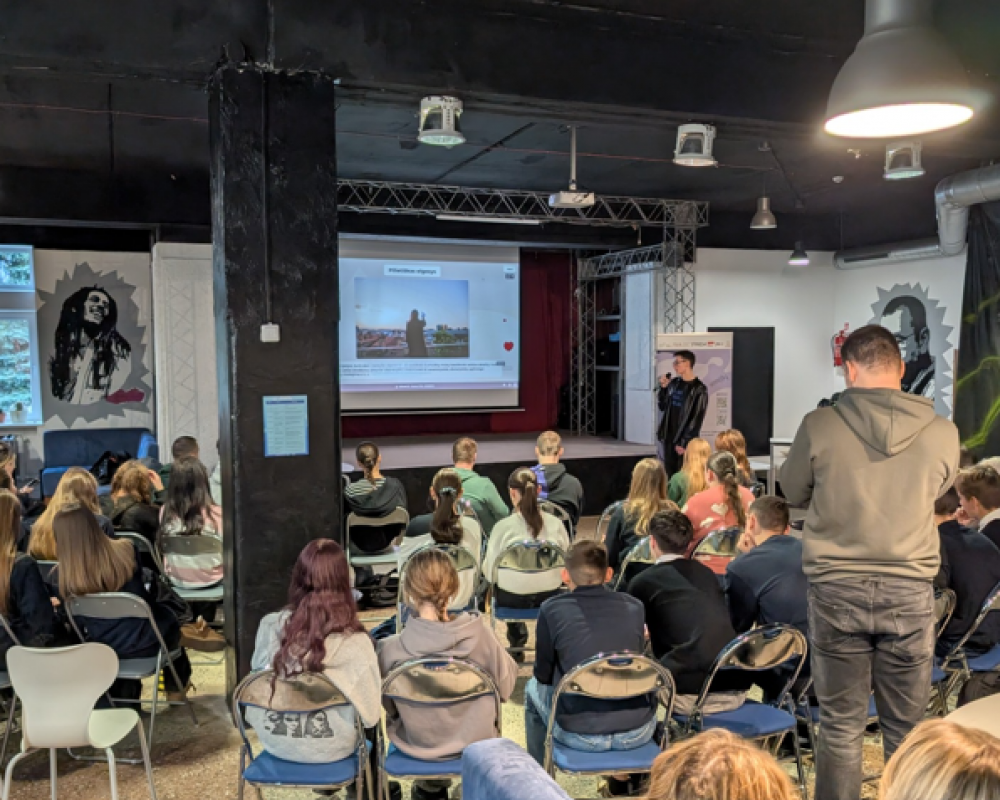
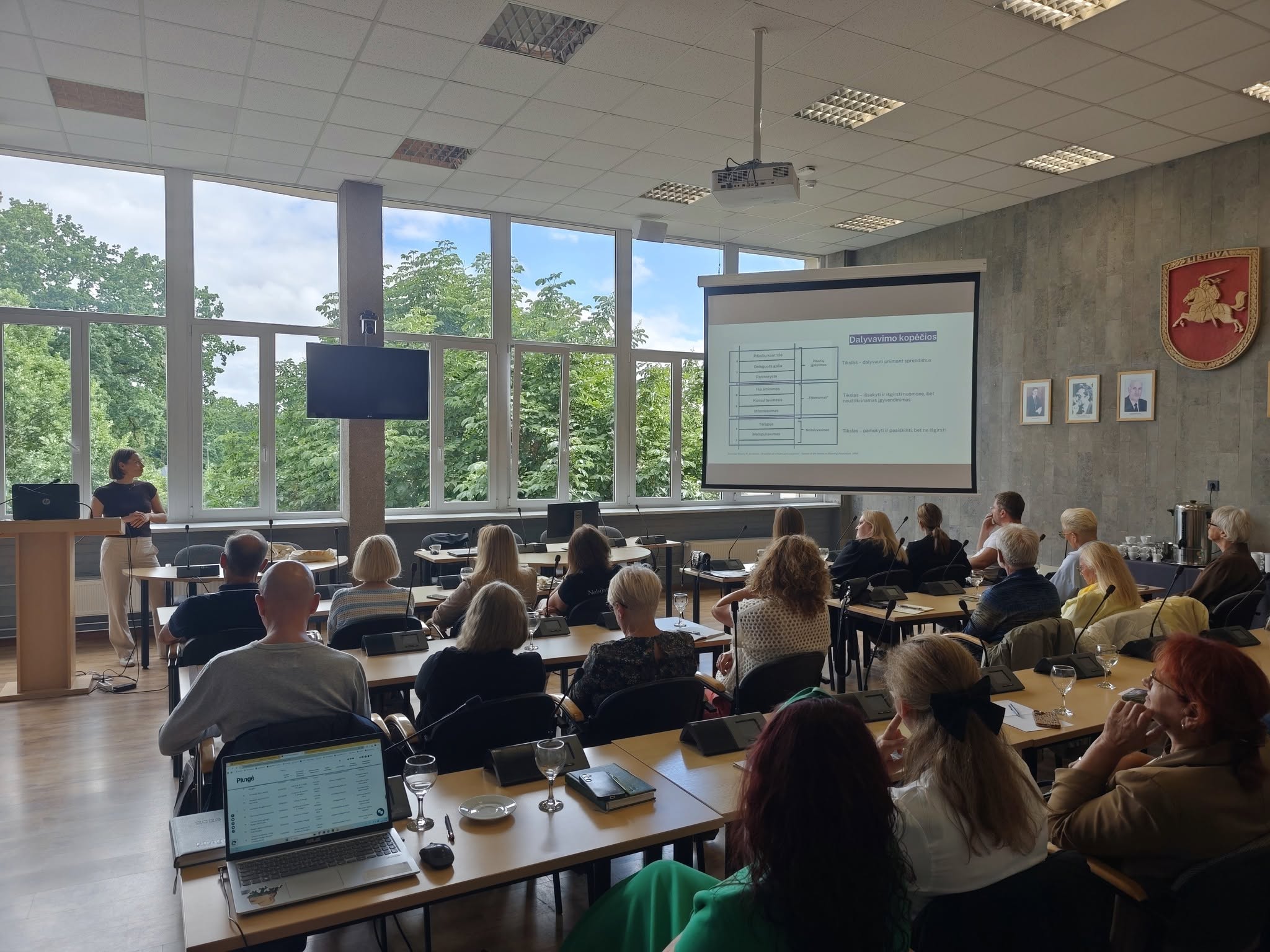
During hackathons, young people work in teams with the guidance of experts to analyse real civic issues and develop concrete solutions. This approach fosters creativity while providing experience in turning ideas into actionable proposals that engage both the public and decision-makers. Since the start of the project, five launch events with hackathons have taken place, involving 275 participants – around one-third of the 15 planned launch events scheduled by the project’s conclusion.
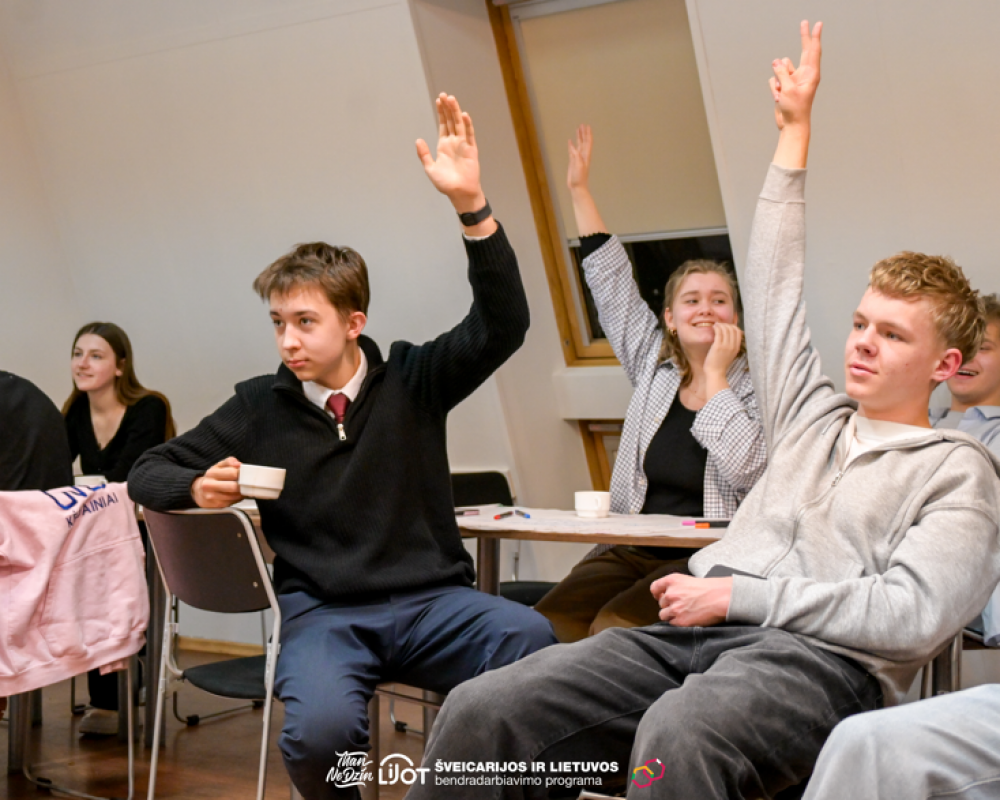
Three training sessions have been held, allowing participants to deepen their knowledge of democratic principles, decision-making processes, and to develop leadership and critical thinking skills. Ongoing training provides opportunities not only to learn about these topics but also to apply knowledge in practice. A total of 30 training sessions are planned by the end of the project.
Simulations offer young people the chance to experience real-life scenarios in environments similar to elections or decision-making processes, exploring different roles and responsibilities. This helps participants better understand democratic processes and the influence of individual citizens. According to Artūras Rudomanskis, Chair of the Tolerant Youth Association, simulations and hackathons provide a platform to hear youth ideas and proposed solutions. To date, five election simulations involving 150 participants have taken place, with a total of 45 planned over the course of the project.
Closing events bring participants together to review achievements, while innovation awards highlight and recognise the most advanced ideas promoting youth engagement in decision-making at both local and national levels. Closing events will be held in later stages of the project, with 15 in total planned.
These activities give young people practical opportunities to develop negotiation, compromise, and public speaking skills. Laima Jasionytė, Project Content Lead at the Agency of Youth Affairs’ National Youth Policy Division, notes: “The aim is to encourage young people to participate in governance, engage in democratic processes, strengthen civic competences, and explore new ways of doing so.”
Additionally, the project enables young people to interact with experts, attend specialised training, and gain practical knowledge that helps them act responsibly and creatively within their communities. Ernestas Sinkevič, International, National, and Branch Project Coordinator at the Lithuanian School Student Union, emphasises: “This project represents an opportunity to create a real impact on society and to foster civic engagement among young people.”
So far, 455 young people have participated in project activities out of a planned 3,000, including 279 with fewer opportunities to engage in civic activities. These figures demonstrate that the project is actively promoting inclusivity and providing opportunities for youth who often face barriers to participation. Gabrielė Kučytė-Bunė, Chief Scout of the Lithuanian Scouting, highlights: “This project enables us to engage young people who otherwise would not have opportunities to contribute to their daily lives.”
The project’s successful progress and initial results indicate that this initiative offers significant opportunities for youth to develop and actively contribute to community life. According to Jonas Laniauskas, Director of the Agency of Youth Affairs, collaboration with Switzerland goes beyond financial support, bringing highly valuable foreign expertise into Lithuanian civil society. With the assistance of non-governmental organisations, a long-term system is being developed to enable youth to participate directly in decision-making.
The Swiss-Lithuanian partnership has become not only a platform for transferring knowledge and skills but also a source of inspiration, proving that investment in youth strengthens democracy, promotes social inclusion, and generates lasting benefits for society. The project’s success is reflected in young people’s competencies, self-confidence, and ability to become active, responsible citizens.
Information from CPMA and the Agency of Youth Affairs