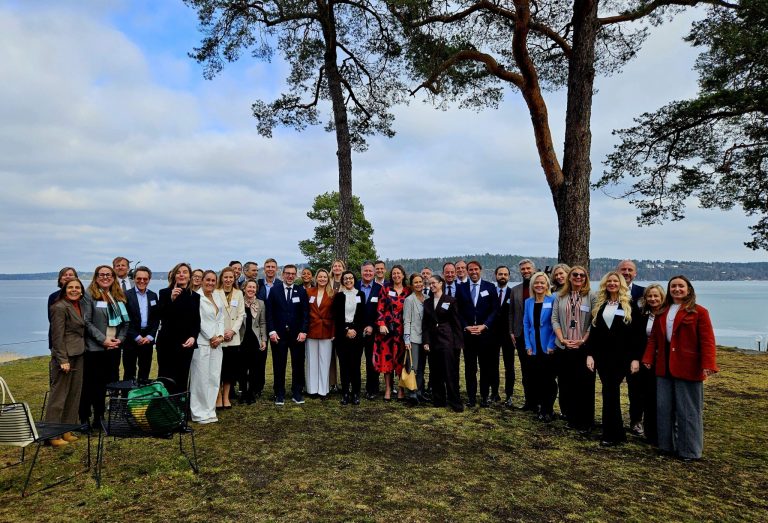
On March 16, Stockholm hosted the leadership meeting of the Practitioners’ Network for European Development Cooperation (PN), dedicated to strengthening coordination of European development cooperation in Ukraine. The event brought together European development agencies, European Union (EU) institutions, Ukrainian ministries, international organizations, and private‑sector representatives. The key objective of the meeting was to ensure more coherent support initiatives for Ukraine’s recovery and its preparations for EU membership.
The Central Project Management Agency (CPVA) took part in discussions on enhancing donor coordination in support of reforms in Ukraine’s energy, health, and digitalization sectors.
According to CPVA Director Indrė Šuolienė, strong partnerships and coordinated action remain crucial. “The most meaningful progress can be achieved not by creating new, isolated initiatives, but by uniting around those that are already working and have proven effective,” said I. Šuolienė.
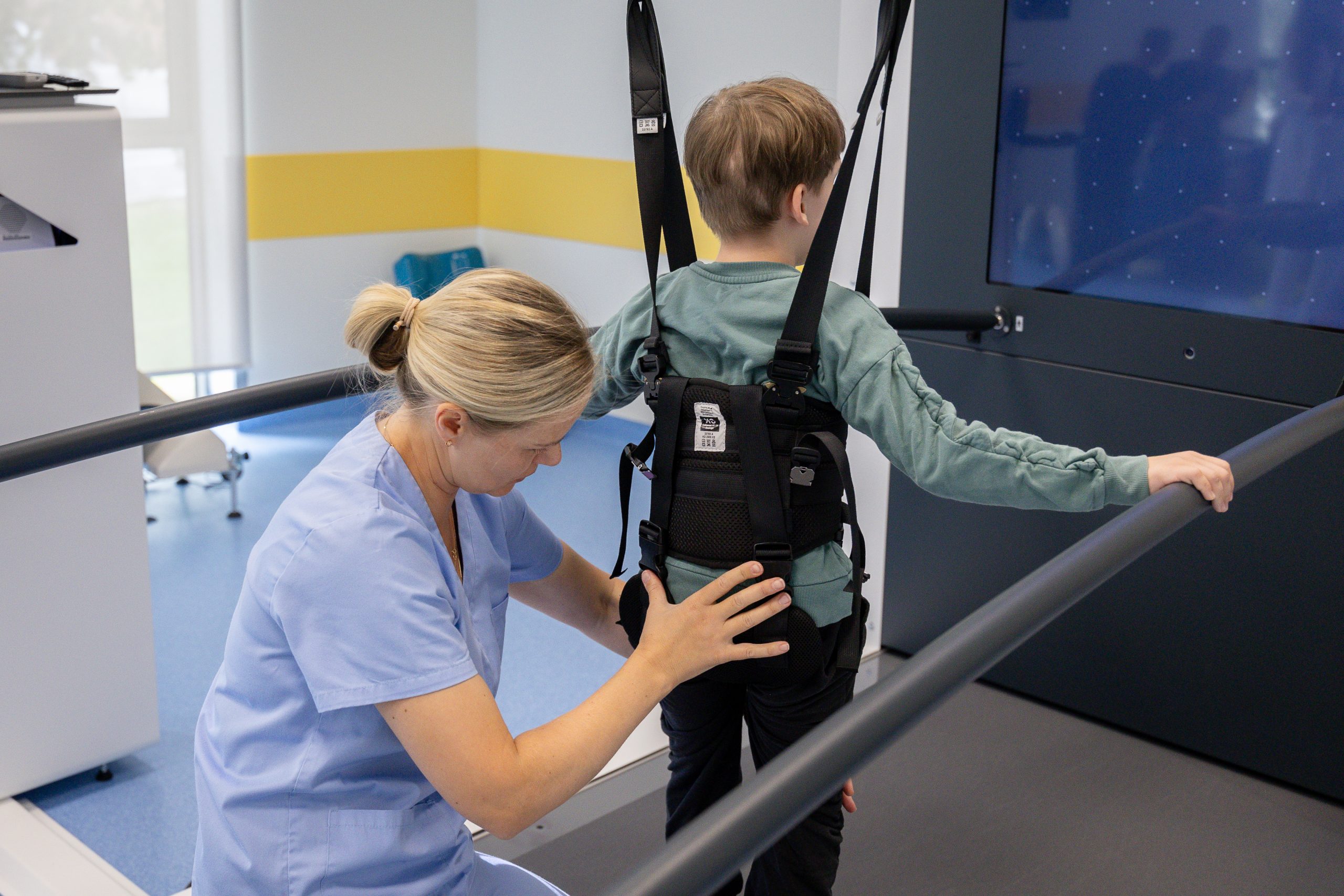
In Ukraine, CPVA places significant focus on strengthening critical infrastructure resilience. Solar power plants are being installed in schools and hospitals to ensure energy independence and uninterrupted operations even under crisis conditions. CPVA is also supporting the development of a comprehensive rehabilitation system—expanding infrastructure and enhancing professional capacities to help veterans and their families reintegrate into social and professional life.
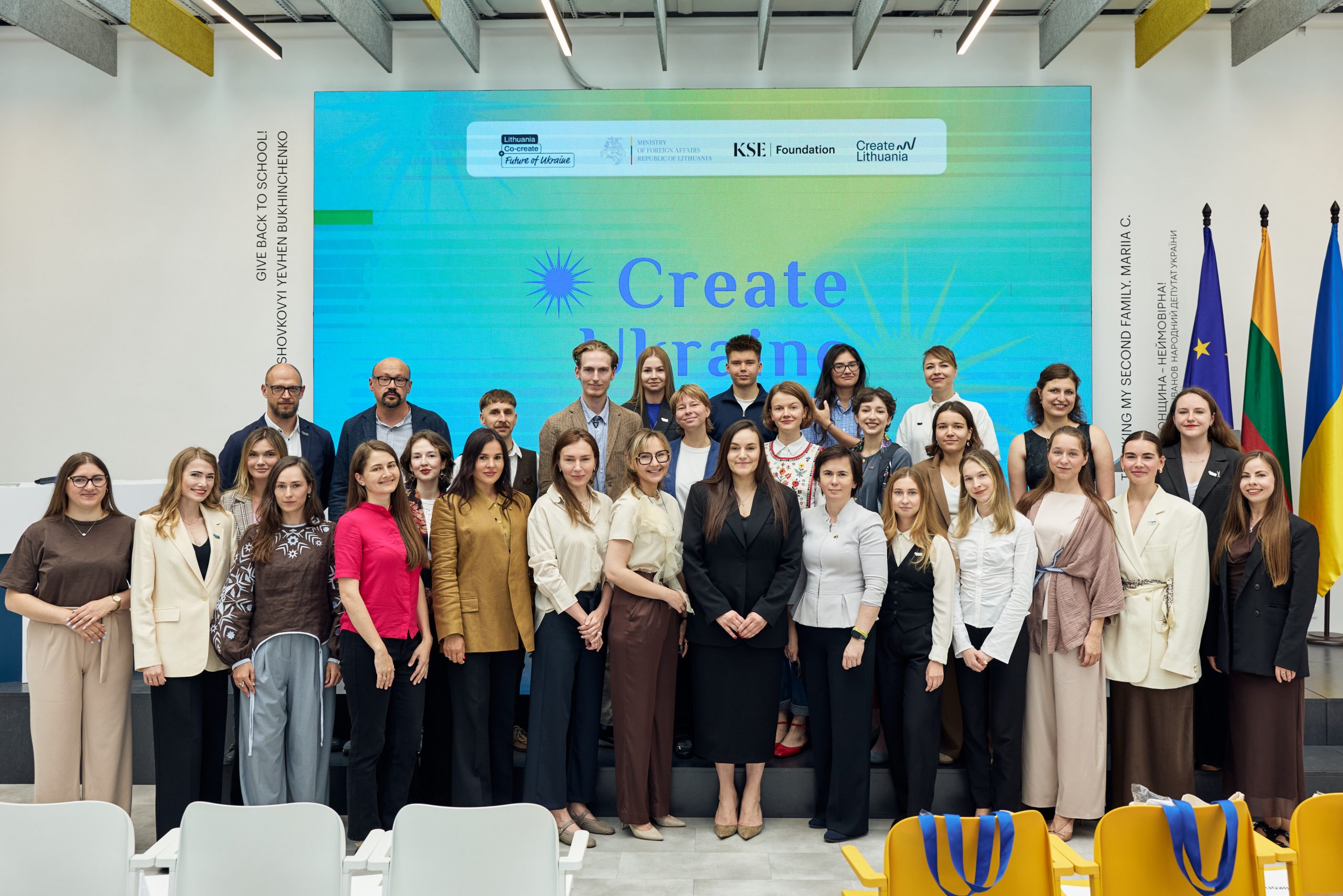
CPVA applies a systemic approach to rebuilding education infrastructure. Solutions piloted through the Future School for Ukraine concept are now being scaled nationally, helping ensure that donor funding is used effectively and transparently. In addition, CPVA invests in human capital: through the Create Ukraine program, top‑level experts are brought together to strengthen Ukraine’s public sector and support the country’s EU integration efforts.
During the Stockholm meeting, PN members also presented a jointly developed Ukraine Support Mapping Tool—an instrument designed to provide clearer visibility of ongoing initiatives and reinforce their coordination.
The event opened with insights from Ukrainian and Swedish representatives on the current situation and key investment priorities. Further sessions focused on EU programming directions for Ukraine, the country’s macroeconomic context, and examples of good practices.
This meeting serves as a key platform for European development organizations committed to coordinated and effective support for Ukraine’s recovery and integration into the European Union.