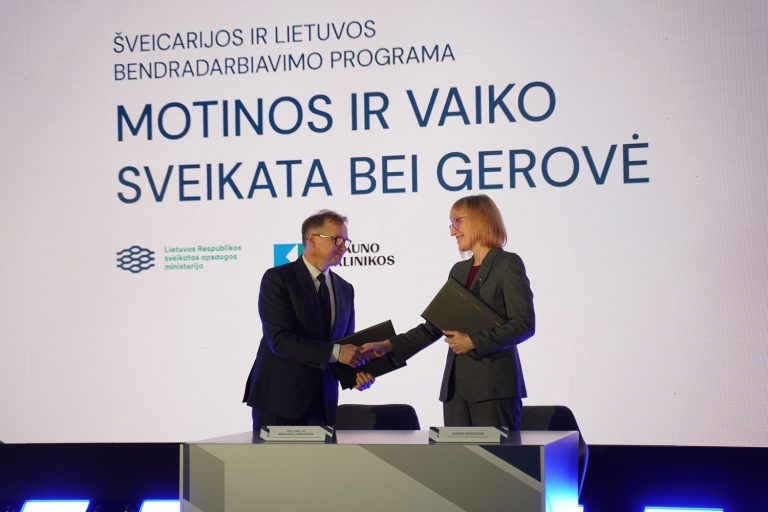
On 11 February 2025, the Maternal and Child Health and Wellbeing programme under the Swiss–Lithuanian Cooperation Programme was officially launched in Vilnius. The programme, worth more than EUR 36 million, also marked the signing of the contract for its sole project.
“Today, we are taking yet another step forward in the joint journey of Lithuania and Switzerland. For three decades, we have successfully cooperated and supported Lithuania’s efforts to strengthen the quality of healthcare services. I am pleased that previous Swiss investments contributed to a reduction in newborn mortality in Lithuania, while the satisfaction of pregnant women and mothers with inpatient care services increased significantly. We will continue this work,” said Martin Michelet, Ambassador of Switzerland to Lithuania.
Minister of Health Dr Marija Jakubauskienė noted that the new Swiss financial contribution to Lithuania represents not only an investment but also the strengthening of bilateral cooperation for the benefit of public health.
“Given the experience of Swiss institutions and specialists in obstetrics and paediatric healthcare, I am confident that the programme’s bilateral cooperation activities will enhance the competencies of Lithuanian healthcare professionals and bring new qualitative improvements to our health system,” said Dr Jakubauskienė.
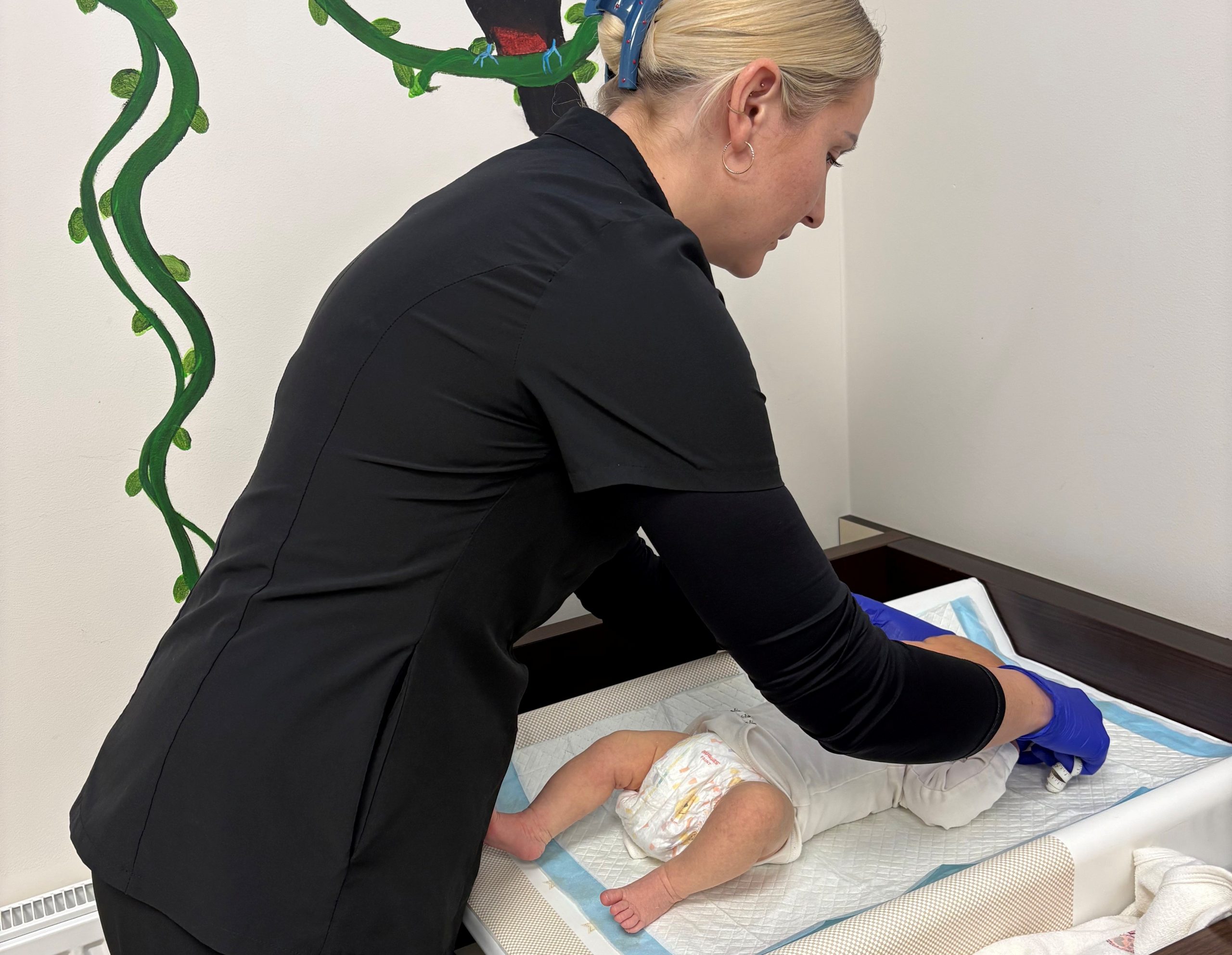
The new programme will focus on the health of pregnant and postpartum women, early diagnosis of developmental disorders in children, and holistic support for families. With programme funding, improved healthcare services will be accessible to all children in Lithuania up to the age of seven. The Central Project Management Agency (CPVA), acting as the Programme Operator, will be responsible for ensuring proper implementation and reporting to the donor, while the sole project will be implemented by the Hospital of Lithuanian University of Health Sciences Kauno Klinikos.
“We look back with pride on the 2007–2012 Swiss–Lithuanian Cooperation Programme period, when a number of important projects were implemented, the impact of which patients still feel today. We are delighted that CPVA has again been entrusted with administering this new programme. We will work closely with the donor, the project promoter, partners and all stakeholders to ensure that these investments bring tangible improvements,” said CPVA Deputy Director Sandra Remeikienė.
The contract signed today marks an important milestone for Lithuania’s healthcare system. Kauno Klinikos has been entrusted with a unique mission—to implement a large-scale project that continues a three-decade-long partnership with Switzerland and contributes to the consistent improvement of maternal and child healthcare services.
“Cooperation with Switzerland provides a solid foundation for ensuring that the latest medical knowledge and the highest-quality services reach every pregnant woman, mother and child throughout Lithuania. We are ready to implement this project responsibly, ensure advanced treatment options, and further strengthen cooperation with our international partners. Our shared goal is to create a healthier and safer future for the people of Lithuania,” said Prof. habil. Dr Renaldas Jurkevičius, General Director of the Hospital of Lithuanian University of Health Sciences Kauno Klinikos.
During the project, plans include the procurement of medical diagnostic and treatment equipment, training for nearly 11,000 healthcare professionals, and the renewal or development of diagnostic and treatment methodologies. Cooperation with Swiss institutions and experts is also foreseen, enabling the exchange of good practices, the introduction of innovations, and improvements in the quality and accessibility of personal healthcare services.
The Maternal and Child Health and Wellbeing programme is co-financed by the Second Swiss Contribution and the Lithuanian state budget. Total funding amounts to EUR 36.2 million, of which EUR 34.2 million is allocated for the project’s implementation. The event was organised by the Central Project Management Agency (CPVA) together with the Embassy of Switzerland, the Ministry of Health, and the Hospital of Lithuanian University of Health Sciences Kauno Klinikos.