Lithuania allocates over €14 million for Ukraine’s recovery
Four new Ukraine recovery projects and Lithuania’s International Partnerships Strategic Guidelines for 2026–2030 have been approved. More than €14.5 million has been allocated for the new projects, covering the construction of new schools, modernisation of a DNA laboratory, and measures to ensure children’s safety. The projects will be implemented by the Central Project Management Agency (CPVA).
At its meeting on 28 January, the Government of the Republic of Lithuania approved four Ukraine recovery projects to be financed from the Lithuanian Fund for Development Cooperation and Humanitarian Aid.
“I am glad that our promises and agreements are turning into real work. Lithuania’s participation in Ukraine’s recovery is very important to all of us, and I am pleased that Lithuania is contributing more and more through various projects and concrete solutions,” Prime Minister Inga Ruginienė said at the meeting.
Multifunctional education center in Zhytomyr
€5 million will be allocated for the first phase of the Future School of Ukraine project. The Government of Ireland has contributed €500,000 to this project.
During the first phase, an adaptive technical design (localisation) will be prepared for the Future School of Ukraine project at a school in Zhytomyr that was destroyed during russian attacks in 2023.
The construction of a gymnasium with a shelter and multifunctional educational and sports spaces, based on the adaptive technical architectural design of the Future School of Ukraine project, is planned to be implemented in three phases during 2025–2028. The first phase is expected to be completed within 18 months.
Zeleny Hai: a new school instead of the destroyed one
Almost €4 million will be allocated for the second phase of reconstruction of the Zeleny Hai school in Mykolaiv.
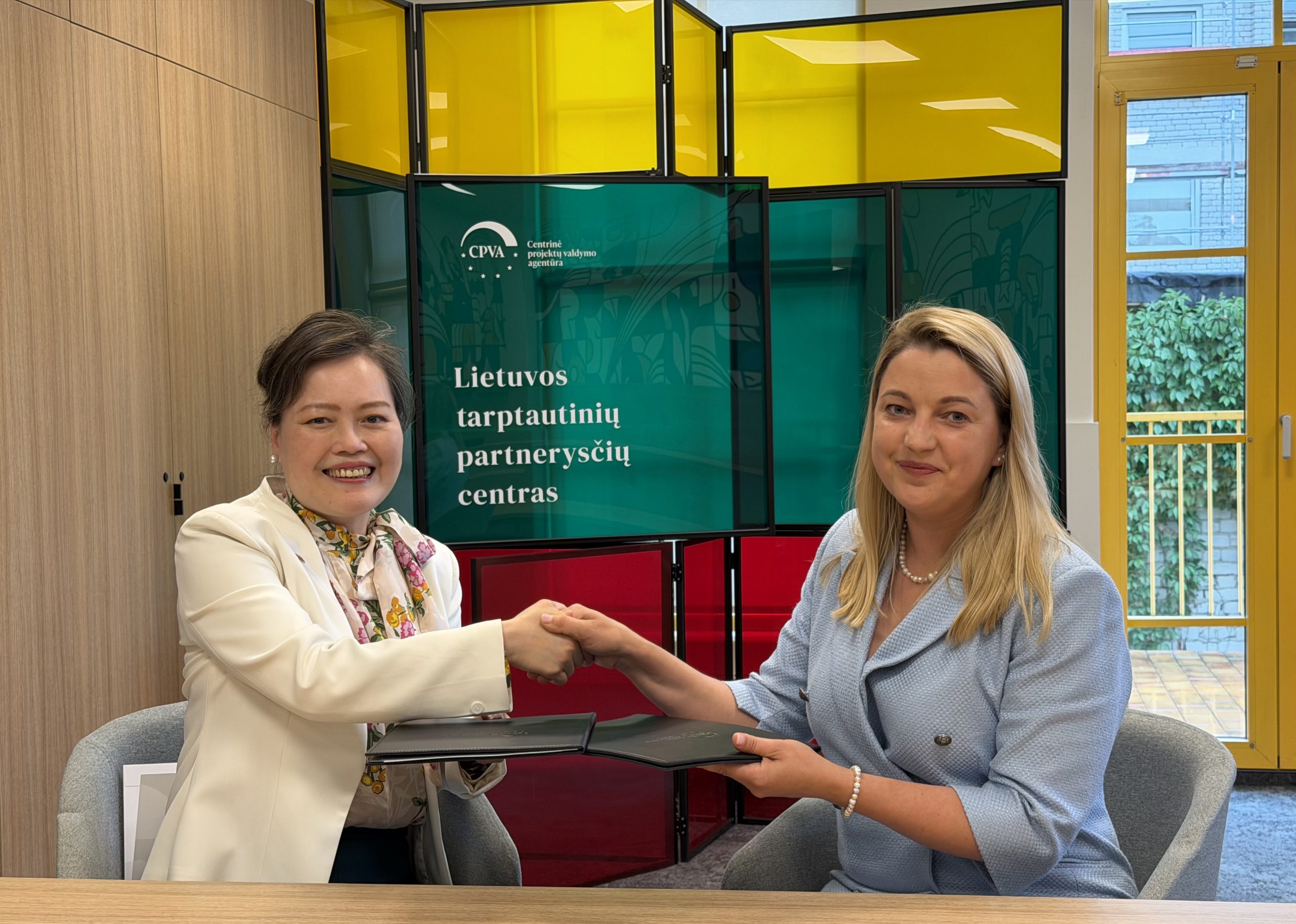
The first phase of the project was implemented in 2025, during which a technical design for a school with a shelter was prepared. The project is planned to be implemented over two years, with half of the required funding provided through a contribution from the Taiwan Representative Office in Lithuania.
Modernisation of the DNA laboratory in Poltava
€800,000 will be allocated for the modernisation of the DNA laboratory in Poltava. Once implemented, the project is expected to increase the number of forensic examinations to up to 1,000 per month and improve working conditions for experts.
Since the start of Russia’s full-scale war against Ukraine in 2022, laboratories and forensic institutions responsible for identifying the deceased and ensuring dignified handling of remains have faced an extremely heavy workload. Investigations are conducted daily across Ukraine to identify the remains of soldiers and civilians killed in hostilities and shelling.
The project is planned to be implemented over eight months. Half of its funding will come from a contribution by the Taiwan Representative Office in Lithuania.
€5 million for Ukrainian children affected by war crimes
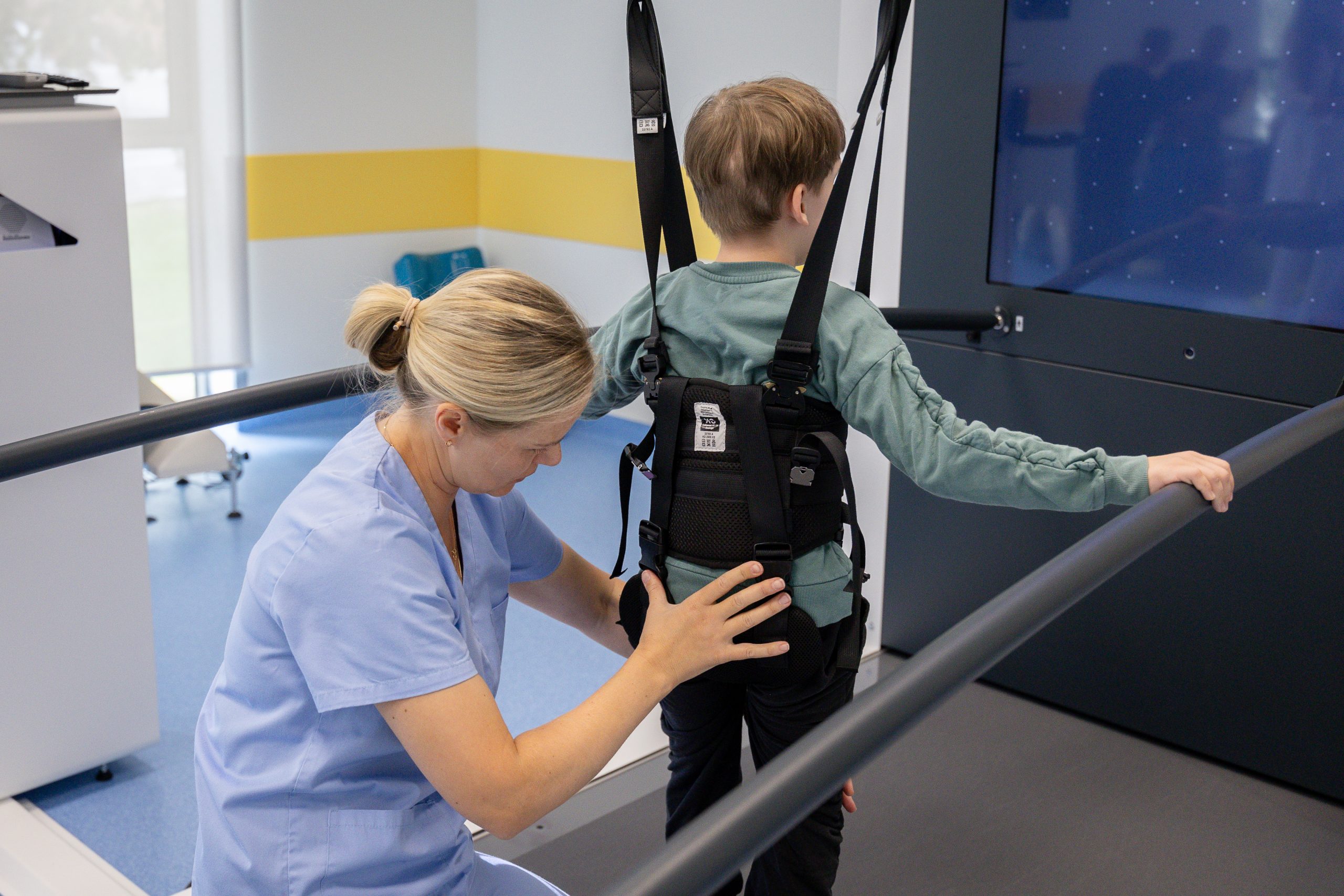
The fourth project, with a budget of €5 million, is Children First. Protecting Ukraine’s Future. The project aims to address the needs of war-affected children, including those returned from forced deportation and from occupied territories, by ensuring initial shelter, medium-term rehabilitation and adaptation, improved access to services, and strengthening national mental health standards.
It is planned to reconstruct care institutions and adapt them for the operation of a Returned Children and Families Centre, with short-term accommodation facilities and dedicated spaces for social and psychological services.
In addition, 10 modular buildings will be installed for medium-term integration, providing up to 80 accommodation places per year.
Funds will also be used to purchase 19 vehicles for foster families to improve access to services in the regions. A child rehabilitation and mental health centre will be developed, a hospital reconstructed, staff expanded, methodologies for addressing war-related trauma created, and the competencies of specialists strengthened.
The project, co-financed with the Taiwan Representative Office in Lithuania, is planned to be implemented over 22 months.
Lithuania’s international partnerships strategic guidelines for 2026–2030
The Government also approved Lithuania’s International Partnerships Strategic Guidelines for 2026–2030, which define the country’s development cooperation and international partnership priorities for the next five years.
The approved guidelines reflect a strong political commitment to a more active Lithuanian role in a rapidly changing geopolitical environment, responding to global challenges such as declining development funding, the growing need to use available financial resources more efficiently, and strengthening the resilience of partner countries.
The new guidelines identify two priority areas: building mutually beneficial, equal partnerships and strengthening long-term resilience. This demonstrates Lithuania’s intention to move away from the traditional donor–recipient model toward principles of co-creation, empowerment, and sustainable impact.
You can access the document here: Lietuvos tarptautinių partnerysčių strateginės gairės 2026–2030 metams.