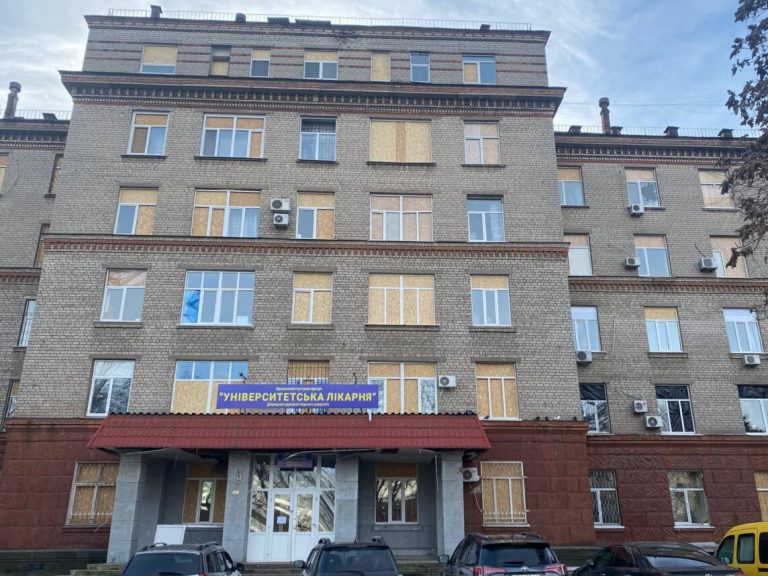
As the full-scale war enters its fourth year, Ukraine is trying to survive the coldest winter since 2022. As the occupying forces continue to strike the country’s energy infrastructure, local medical professionals face a harsh reality: under severe conditions, with electricity and heating constantly disrupted, hospital wards are filling up daily with wounded soldiers. Although specialists are doing everything they can to help all those affected, there is no longer space for civilians in rehabilitation centres. Experts in the country do not hide the truth – the situation is critical.
Suffering from cold, darkness and exhaustion
Located near Ukraine’s Donetsk and Luhansk regions, where the war has been ongoing for 12 years, Dnipro has become a refuge for many Ukrainians fleeing the combat zone. This frontline city of nearly one million residents experiences more shelling than western parts of the country. The aggressor cynically targets sensitive civilian infrastructure – recently striking a maternity hospital in Zaporizhzhia, public transport, and the city’s university hospital located just 35 km from the front line, which faces the consequences of drone and missile attacks almost nightly.
The hospital treats more than 500 patients, including 187 soldiers, and employs over 200 staff members. It lacks not only shelters but also stable electricity and heating. Dr. Oleh Nechanevych, Head of the Department of Physical Rehabilitation, Sports Medicine and Valeology at Dnipro University Hospital, explains that unstable electricity supply severely limits the hospital’s ability to heat its premises, provide timely and systematic care, and even perform surgical operations.
“When generators operate only four or five hours a day, the ability to provide uninterrupted medical and rehabilitation services is extremely limited. When the power goes out, even non-urgent surgeries must be stopped. This greatly complicates the work of medical staff and patients’ recovery. On top of that, we are witnessing staff burnout and a shortage of specialists,” he says.
According to him, doctors, rehabilitation specialists and support staff have been working almost without days off for four years since the start of the full-scale invasion. The hospital particularly lacks mid-level medical personnel, especially nurses. This is due both to minimal salaries – around EUR 200 – 300 per month after taxes – and migration to western Ukraine.
His colleague, lecturer and occupational therapist Rehina Losiieva, adds that some people, especially those with young children, move west simply because they cannot endure the current living and working conditions in Dnipro. “The staffing situation is difficult both because of the shortage of specialists and their exhaustion. We are human too. But you get up and keep working because you realize you still have the chance to eat, sleep, and hug your loved ones. Our soldiers do not have such privileges. Those who stay know why and what they must do.”
Rehabilitation centres can no longer help all civilians
Hundreds of thousands of Ukrainians suffer daily from burns, mine blast injuries and their complications, traumatic brain and spinal cord injuries, and other complex traumas. Tens of thousands of Ukrainian soldiers have lost at least one limb. All this is accompanied by chronic illnesses, psychological disorders, and long rehabilitation processes.
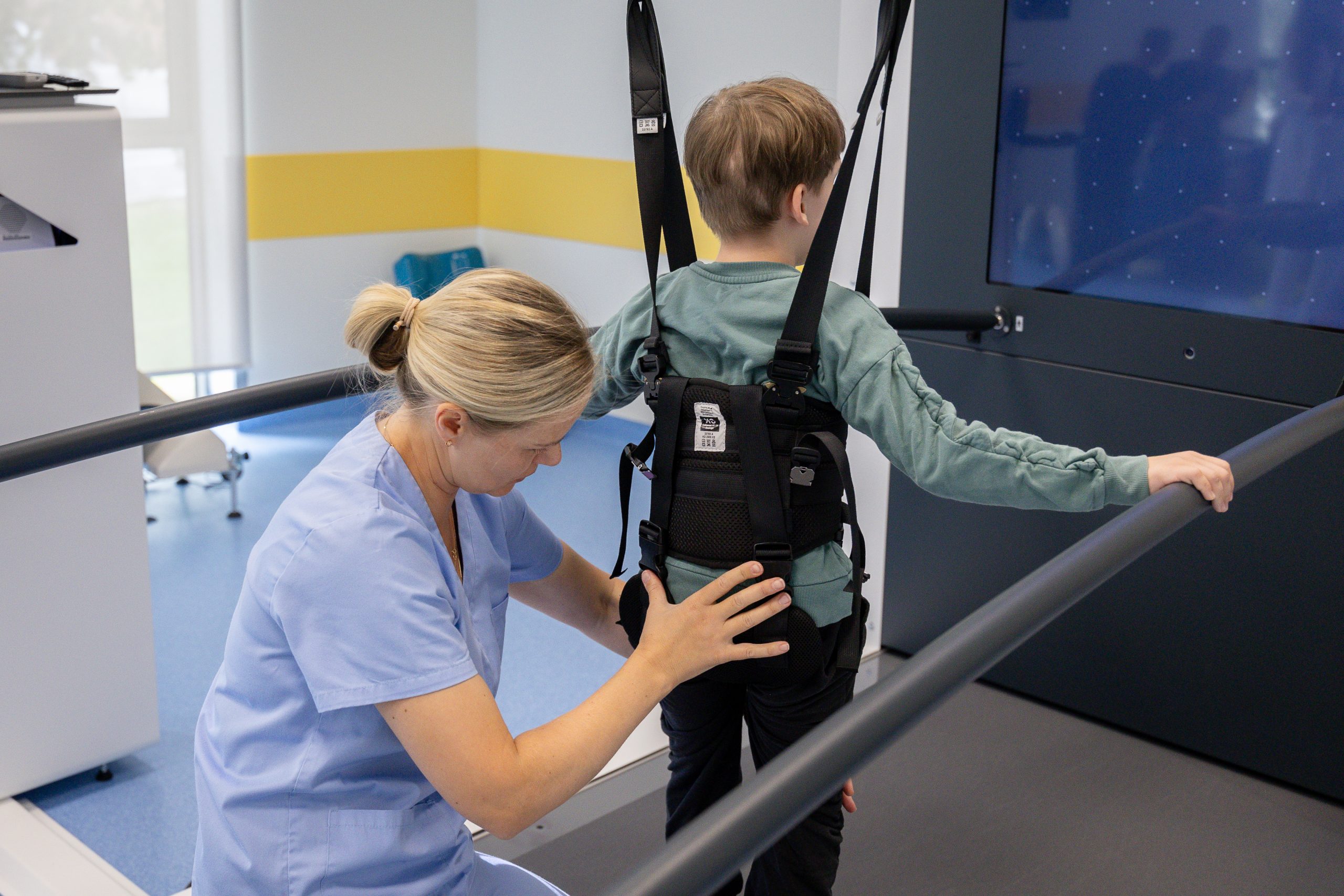
Currently, rehabilitation specialists at Dnipro hospital devote most of their time to soldiers with peripheral nerve damage, traumatic brain injuries, and amputations.
“Rehabilitation services are provided free of charge to all Ukrainian citizens. Although civilians have not stopped falling ill, being injured, or suffering strokes during the war – on the contrary, such cases have increased – and they require comprehensive rehabilitation, we often cannot provide these services. There is simply no space left for them,” says Losiieva.
Oleh Bilianskyi, head of “Unbroken,” one of the largest rehabilitation centres in Europe and the largest in Ukraine, confirms the difficult situation for civilians. The centre in Lviv currently treats over 300 patients, 80% of whom are soldiers.
“We have four departments: spinal cord injuries, vascular diseases, amputations, and traumatic brain injuries. Most of our patients are soldiers who have suffered not only severe physical trauma but also mental health disorders,” he explains. “I cannot even name the exact number of people currently being treated – it keeps growing. But we simply do not have enough hands to help everyone who truly needs assistance. That is the painful reality.”
Lithuania brings long-term hope
Helping the people of Ukraine survive, fight, and recover is also our responsibility. Therefore, Lithuania, through the Central Project Management Agency (CPVA), is implementing the “Rehabilitation and Reintegration Programme for War-Wounded and War-Affected Persons in Ukraine.” The programme includes the reconstruction and modernisation of rehabilitation centres in Lviv, Dnipro, and Zhytomyr, as well as the transfer of methodological knowledge to establish long-term international rehabilitation standards in Ukraine.
“Anyone who has visited Ukraine at least once over the past four years, and has been to war zones and medical facilities, can truly feel what the country’s civilians and soldiers are going through. The least we can do is provide continuous and comprehensive support to the country’s defenders. One such measure is strengthening the rehabilitation system in a way that creates long-term value,” says Artūras Žarnovskis, Head of CPVA’s “Co-Create Future of Ukraine” programme.
Under the programme, the Unbroken rehabilitation centre in Lviv will be expanded – existing premises will be renovated, a third floor constructed, and an administrative building reconstructed to accommodate rehabilitation workshops, meeting spaces, and a library. A swimming pool will also be installed. Joint investments by project partners will equip the centre with the necessary medical equipment and furniture. Upon completion, capacity will increase from 70 to 120 places.
The reconstructed rehabilitation centre at Dnipro University Hospital will include 16 double rooms and two single rooms, modern physical and occupational therapy spaces, individual physiotherapy and occupational therapy rooms, as well as offices for psychologists and speech therapists. The updated infrastructure will be fully accessible for persons with disabilities and will include diagnostic laboratories, orthotics and wheelchair workshops with repair services, and social integration areas. The basement will function as a shelter if needed, accommodating around 80 people.
The renovated rehabilitation centre in Zhytomyr will include 11 double rooms, specialised therapy rooms and other functional spaces. A shelter for up to 200 people will be installed in the basement. The building will be equipped with modern medical equipment, and the surrounding area will be upgraded to include a wheelchair mobility training zone and a modular extension with an additional rehabilitation hall and specialist offices. Solar panels will also be installed to ensure an autonomous energy source during mass attacks or power outages.
Lithuania’s long-term goal is a strong Ukrainian rehabilitation system built on international best practices. The programme budget amounts to EUR 15 million and is financed by Lithuania’s Development Cooperation and Humanitarian Aid Fund and the Ministry of National Defence.
Photos by Rehina Losiieva