Under wartime conditions, the demand for rehabilitation and nursing services in Ukrainian hospitals has increased significantly. A heavy patient load, staff shortages, and limited resources require immediate and practical solutions. This reality is addressed by the rehabilitation programme for wounded and war-affected persons in Ukraine implemented by the Central Project Management Agency (CPVA), one component of which is practical training for Ukrainian specialists in Lithuania.
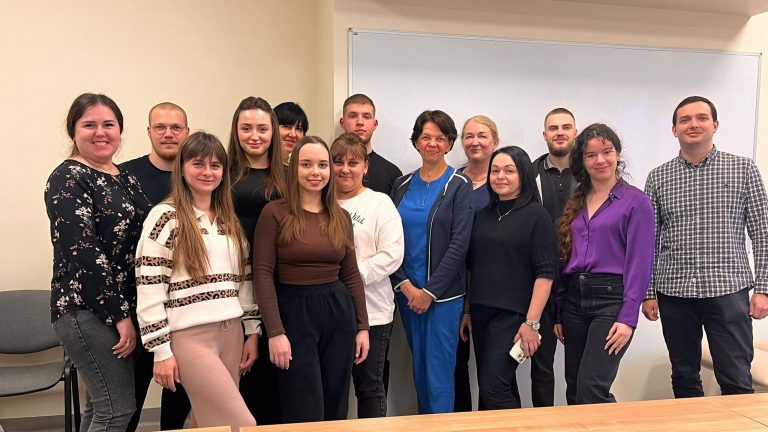
From 8 to 11 December, ten rehabilitation and nursing specialists from Lviv, Dnipro, and Zhytomyr took part in training at the Rehabilitation, Physical and Sports Medicine Centre of Vilnius University Hospital Santaros Klinikos. The training was organised by the Central Project Management Agency (CPVA).
The role of nurses in the rehabilitation team
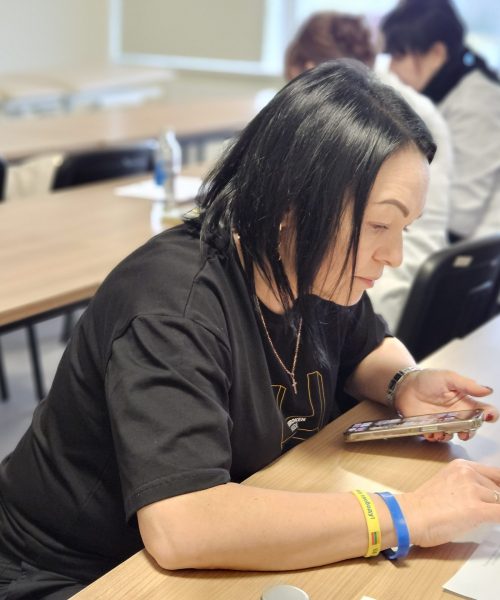
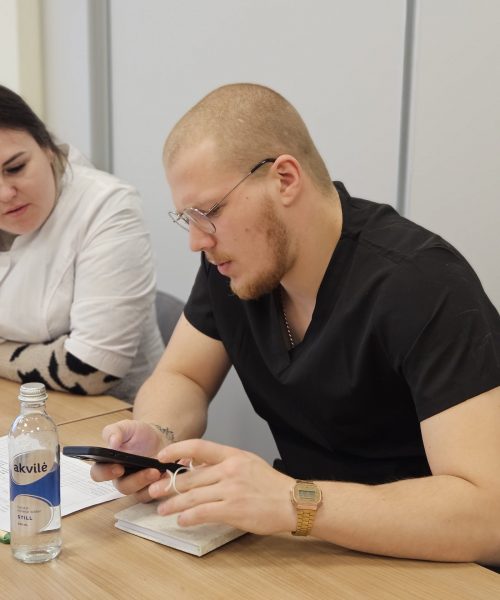
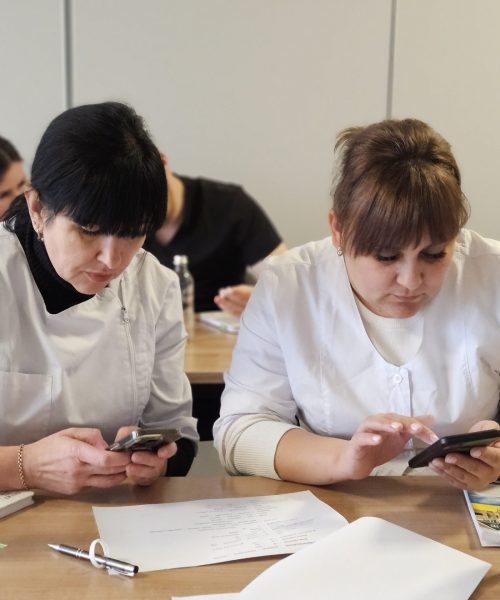
Participants were divided into two groups. Seven specialists attended the training programme “The Role and Functions of Nurses in Rehabilitation and Cooperation within the Rehabilitation Team.” The programme focused not only on theory but also on everyday hospital practice, including ward-based work, patient care, and team-based decision-making.
“One of the biggest problems is the acute shortage of nurses, which leads to staff overload. It is also difficult to work under conditions of constant stress, limited resources, and high emotional strain, especially given the situation in the country. The work of a nurse is very physically and psychologically demanding and at the same time extremely responsible, because patients’ lives often depend on our decisions and actions. Unfortunately, the level of pay in Ukraine does not always correspond to this responsibility and workload“, says Sviatoslav Baranovskyi, a nursing specialist from the Zhytomyr Military Hospital who took part in the training, speaks about the specifics of his work.
The lecturers addressed key topics such as teamwork in rehabilitation and clear division of responsibilities, patient assessment, prevention and treatment of pressure sores, patient transfers, mobility and safe transportation, communication with patients with speech or swallowing disorders, and the preparation and documentation of individual nursing care plans.
Olha Sydorchuk, a nurse at the Zhytomyr Military Hospital, noted that the practical component of the training was the most valuable for her:
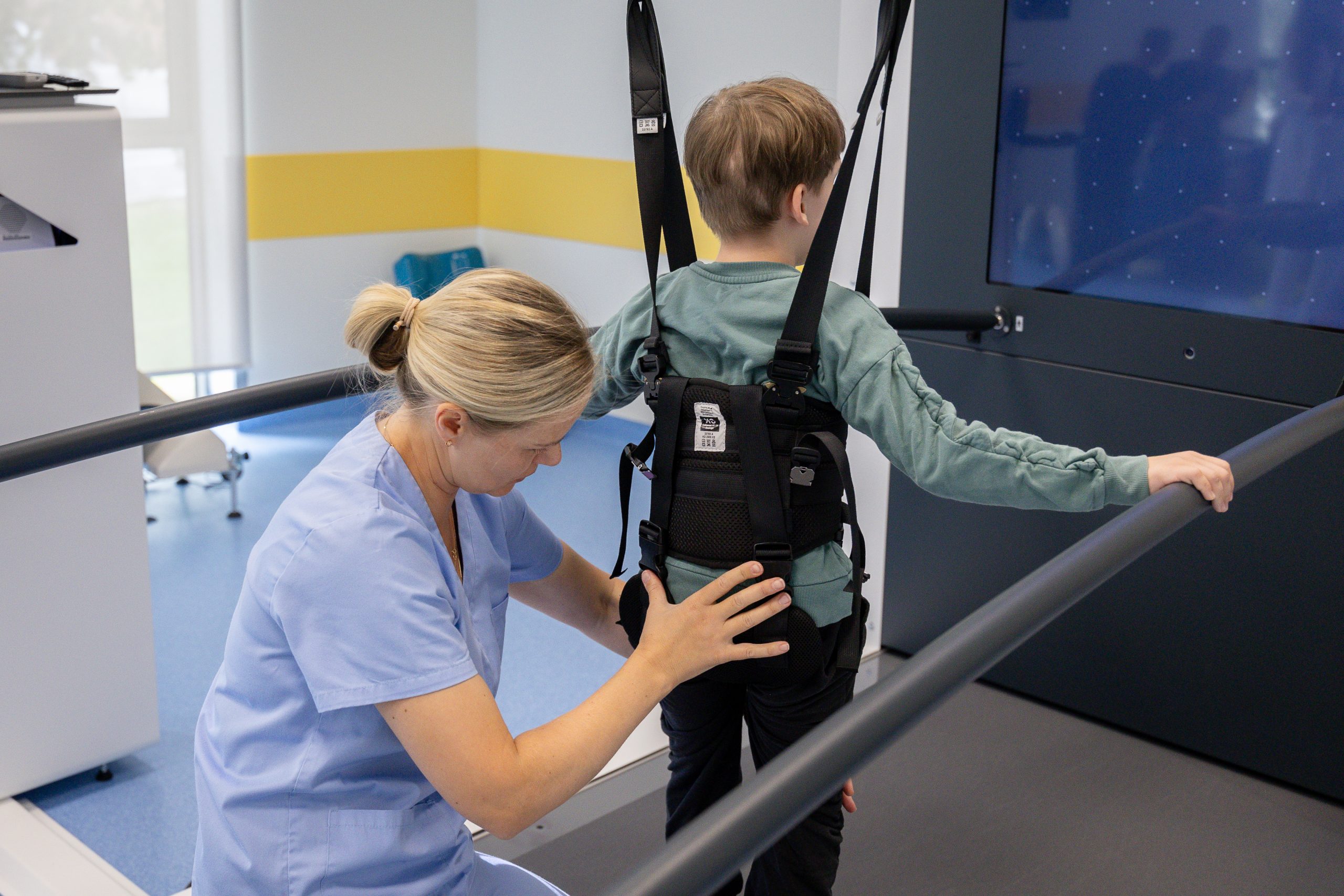
“We received a great deal of useful information. I was particularly impressed by the computerized rehabilitation departments in Lithuania, as well as the modern equipment used for physiotherapy, movement therapy, and kinesitherapy. This is an excellent example of best practice that I hope can be implemented in our medical institution when the opportunity arises.”
Many participants were also impressed by Lithuania’s electronic healthcare system, the clear distribution of roles, and the strong culture of teamwork.
“All nursing documentation is managed electronically, and teamwork is very well organised. We were also impressed by patient catering – meals are delivered in portions using large thermoses. <…> We were particularly interested in the device used for treating pressure sores with light therapy,” said Mariana Vasylyk, a nurse at the Unbroken Rehabilitation Centre in Lviv, describing her observations in Lithuania.
According to the participants, even seemingly small details – such as centralised catering or modern patient transfer equipment – make a significant difference in daily work.
“We saw many innovations in Lithuania. First of all, rehabilitation here is based on teamwork. A wide range of equipment is used to ensure safe patient transfers, everything is computerised, which makes work much easier. Patient catering is also very well organised,” shared nurses from Dnipro, Olena Yesmont and Oksana Horlenko.
S.Baranovskyi from Zhytomyr not only found much to learn from his Lithuanian colleagues, but also had valuable experience to share with them: „In Lithuania, I was impressed by the approach to organizing the work of medical staff, the clear distribution of duties, teamwork, and attention to the psychological well-being of employees. Many of these practices would be useful to implement in Ukrainian hospitals as well. In Ukraine, we have learned to adapt quickly to difficult conditions, work in crisis situations, and effectively help patients even with limited resources. This experience of resilience and mutual support can also be useful for foreign colleagues.“
Aquatic physiotherapy training
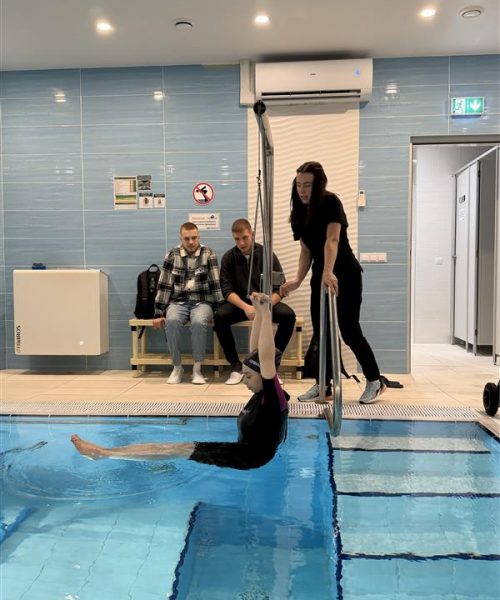
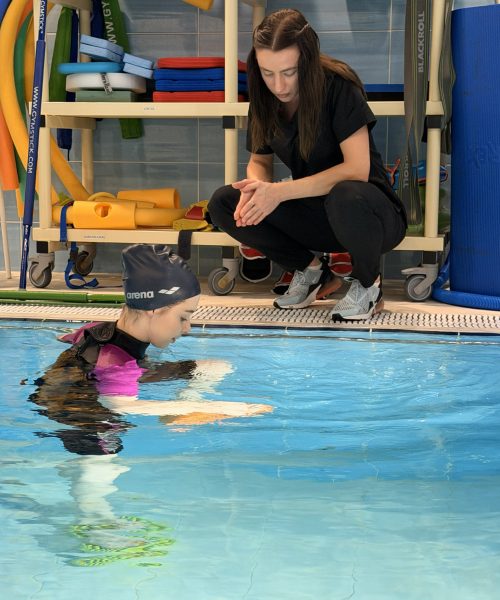
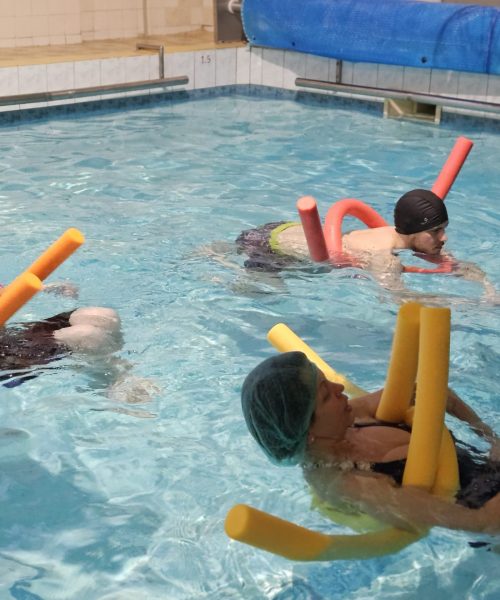
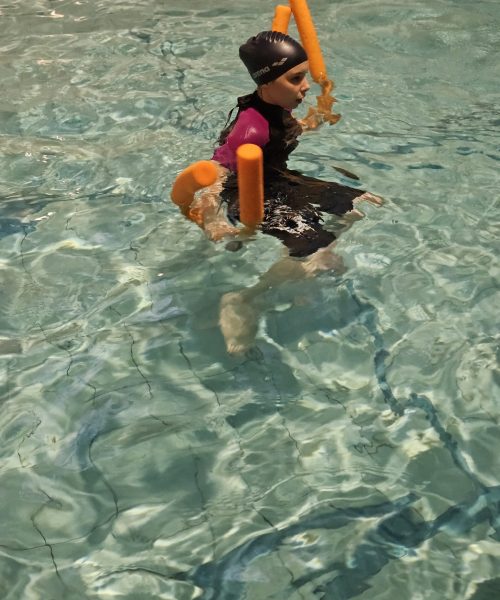
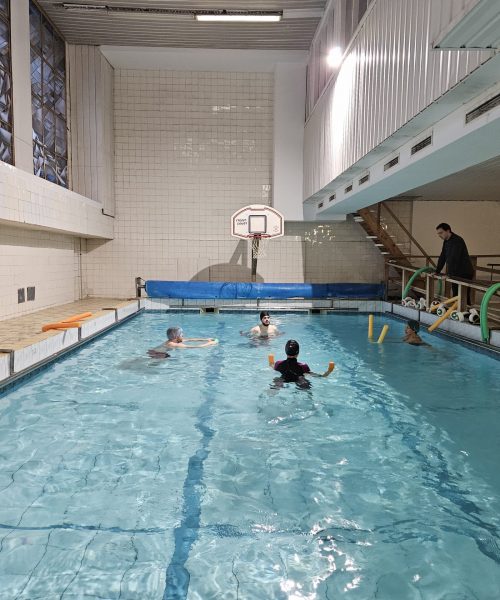
Three physiotherapy specialists from Lviv attended theoretical lectures on aquatic physiotherapy and participated in practical water-based sessions. The Ukrainian specialists learned about the effects of water’s physical properties on the human body, indications and contraindications for aquatic physiotherapy, and its clinical application in rehabilitation.
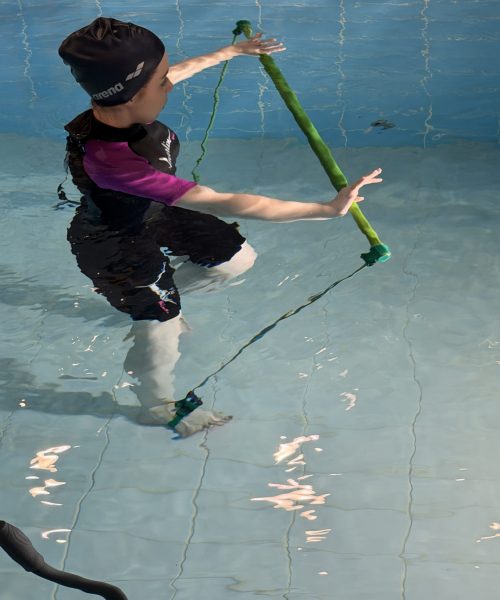
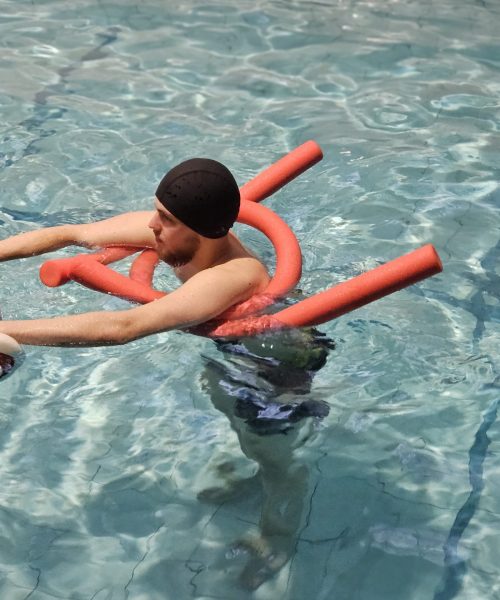
During the training, participants learned how to design individual physiotherapy programmes tailored to neck and shoulder injuries, lower back pain, lower limb impairments, and chronic pain conditions. Special attention was given to various methods, including the Bad Ragaz Ring Method and the Halliwick Method, both widely used in the rehabilitation of patients with neurological, orthopaedic, and movement disorders.
“In Ukraine, we lack both training opportunities and theoretical knowledge for working in a pool. Aquatic physiotherapy is a physically demanding and poorly paid job in Ukraine. Working with patients involves a heavy physical workload, but emotionally it is not exhausting because I work with children and truly enjoy what I do. In Lithuania, I learned and had the chance to try new methods. I definitely plan to apply the Halliwick method in my work,” said Anna Volkovska, a physiotherapist from Lviv.
According to the course lecturer, physiotherapist Dr Ieva Eglė Jamontaitė, aquatic physiotherapy can help achieve a wide range of rehabilitation goals:
“These methods can be particularly beneficial for people affected by war who have experienced significant pain and trauma. Water provides relaxation – both muscular and psychological – and the sessions themselves improve mood. Another important aspect is that water-based therapy allows muscles to be prepared more easily for prosthetics, functional movements, and walking.”
On 12 December, the Ukrainian physiotherapy specialists also visited the Hila Rehabilitation and Sports Medicine Centre. During the visit, they were introduced to innovative equipment designed to reduce headaches, improve balance, and support rehabilitation. The participants toured massage rooms and physiotherapy areas and learned about the centre’s outpatient-focused care model. During practical pool sessions, they had the opportunity to try exercises on an underwater treadmill, use an underwater bicycle, trapeze bar, gym stick, and underwater discs.
Strengthening Ukraine’s rehabilitation system
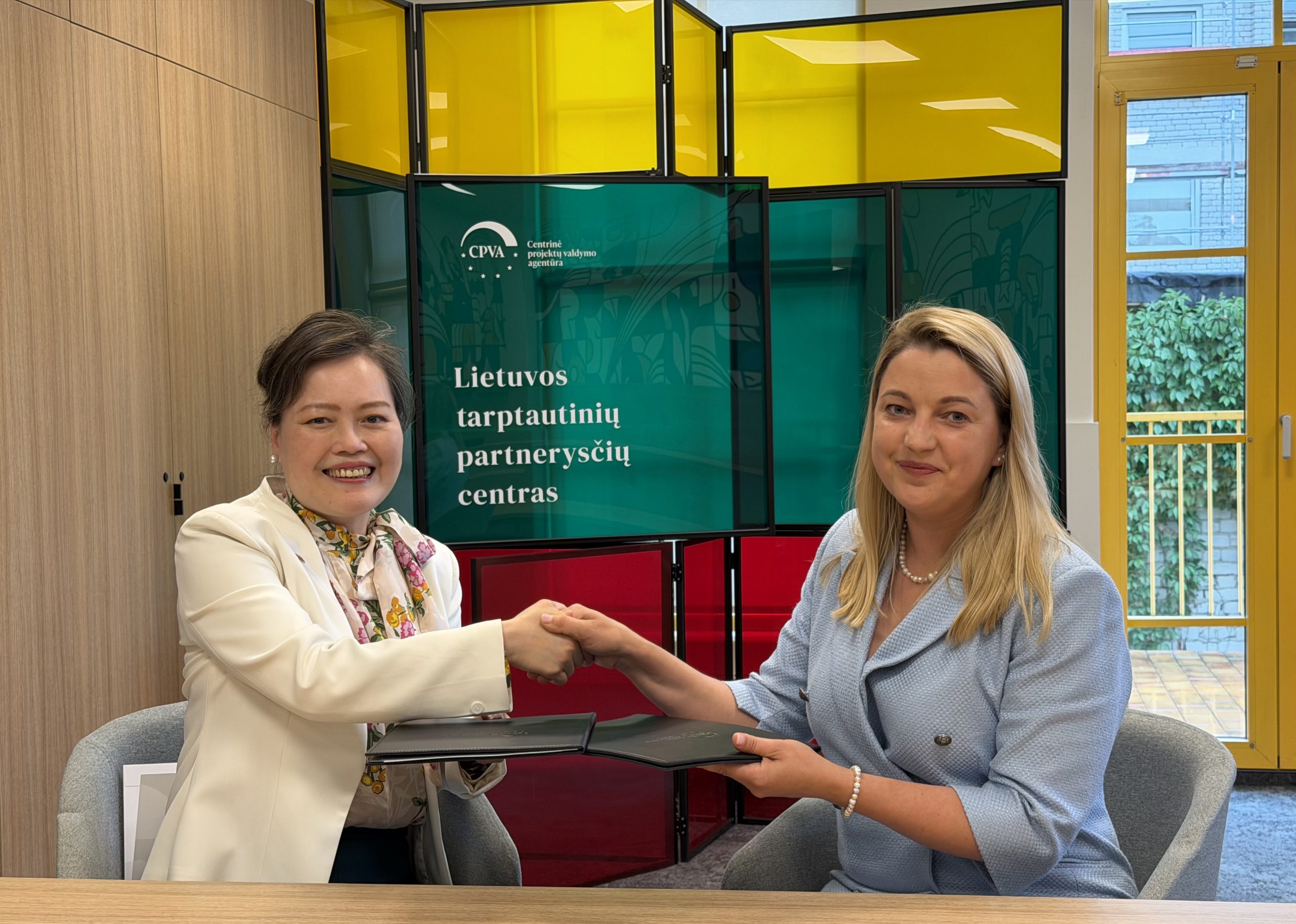
Over the past year, CPVA, together with partners in Lithuania and Ukraine, has organised a total of 12 training sessions for Ukrainian rehabilitation specialists. These trainings are part of Lithuania’s long-term support for strengthening Ukraine’s rehabilitation system. The core principle of the programme is to invest not only in infrastructure and equipment but also in the people who work daily with wounded and war-affected patients.
This initiative is part of the Programme for the Rehabilitation and Reintegration of Wounded and War-Affected Persons in Ukraine. The programme is funded by Lithuania’s Development Cooperation and Humanitarian Aid Fund. The total programme budget amounts to EUR 15 million, including a targeted contribution of EUR 5 million from the Ministry of National Defence of the Republic of Lithuania.