In Moldova, a country of over 2 million people, the labour market remains under significant strain. The minimum monthly wage is just EUR 281.5 (before taxes), health insurance is guaranteed only for employed residents, and low salaries continue to drive many young people to consider emigration even before finishing school. Under these conditions, the Moldovan Employment Service faces a challenging task – helping people integrate into the labour market while trying to retain young specialists in the country.
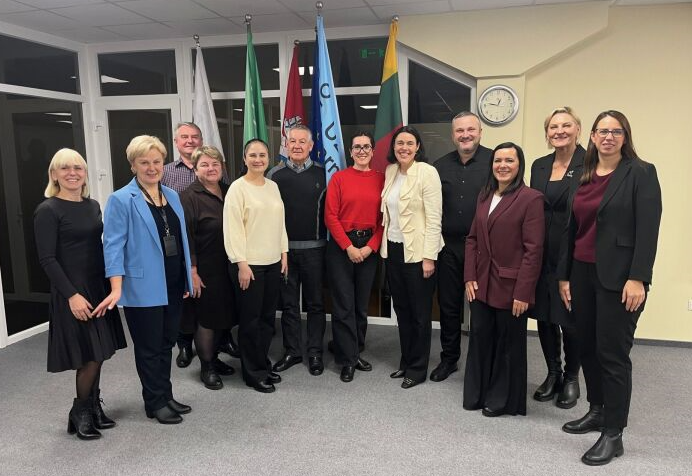
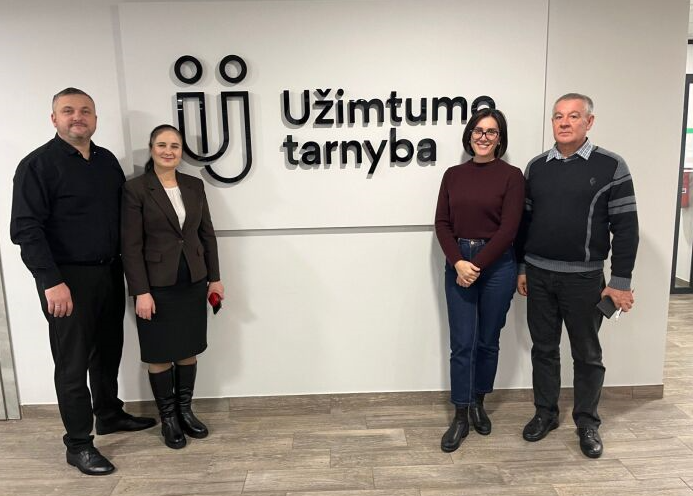
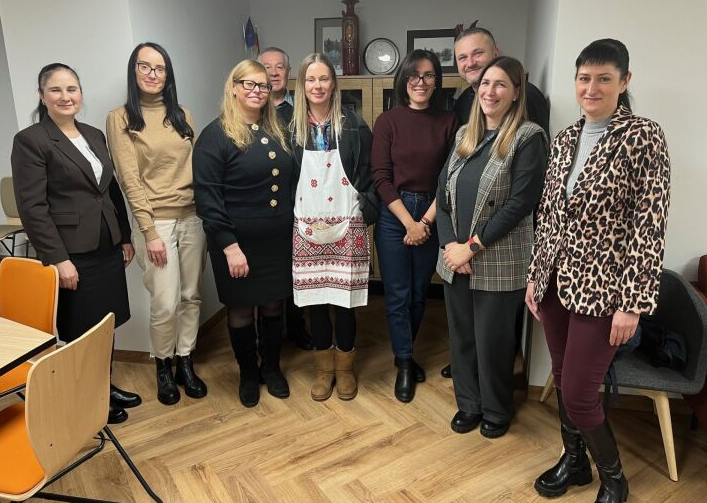
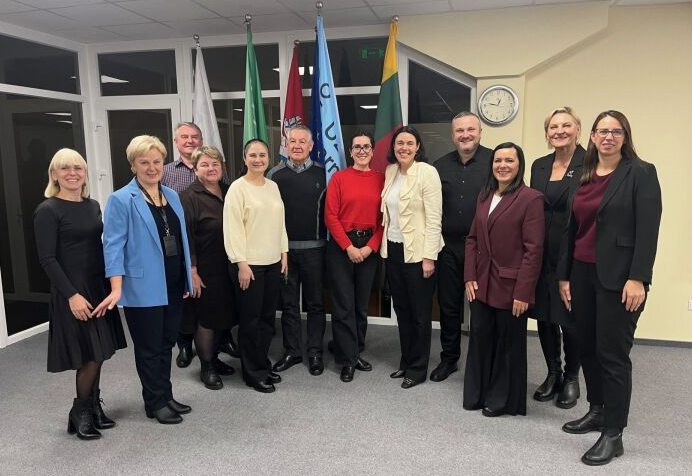
International development cooperation plays an important role in strengthening the institution’s capacities. To learn from the experience of the Baltic States’ employment services, managers and specialists from the Moldovan Employment Service came to Lithuania for traineeships. The two-week visit, which concluded on December 5, was organised as part of the “EU4Youth” employment and entrepreneurship programme. After Lithuania, the delegation will continue its training in Latvia and Estonia, and similar study visits will later be held for participants from Ukraine and Armenia.
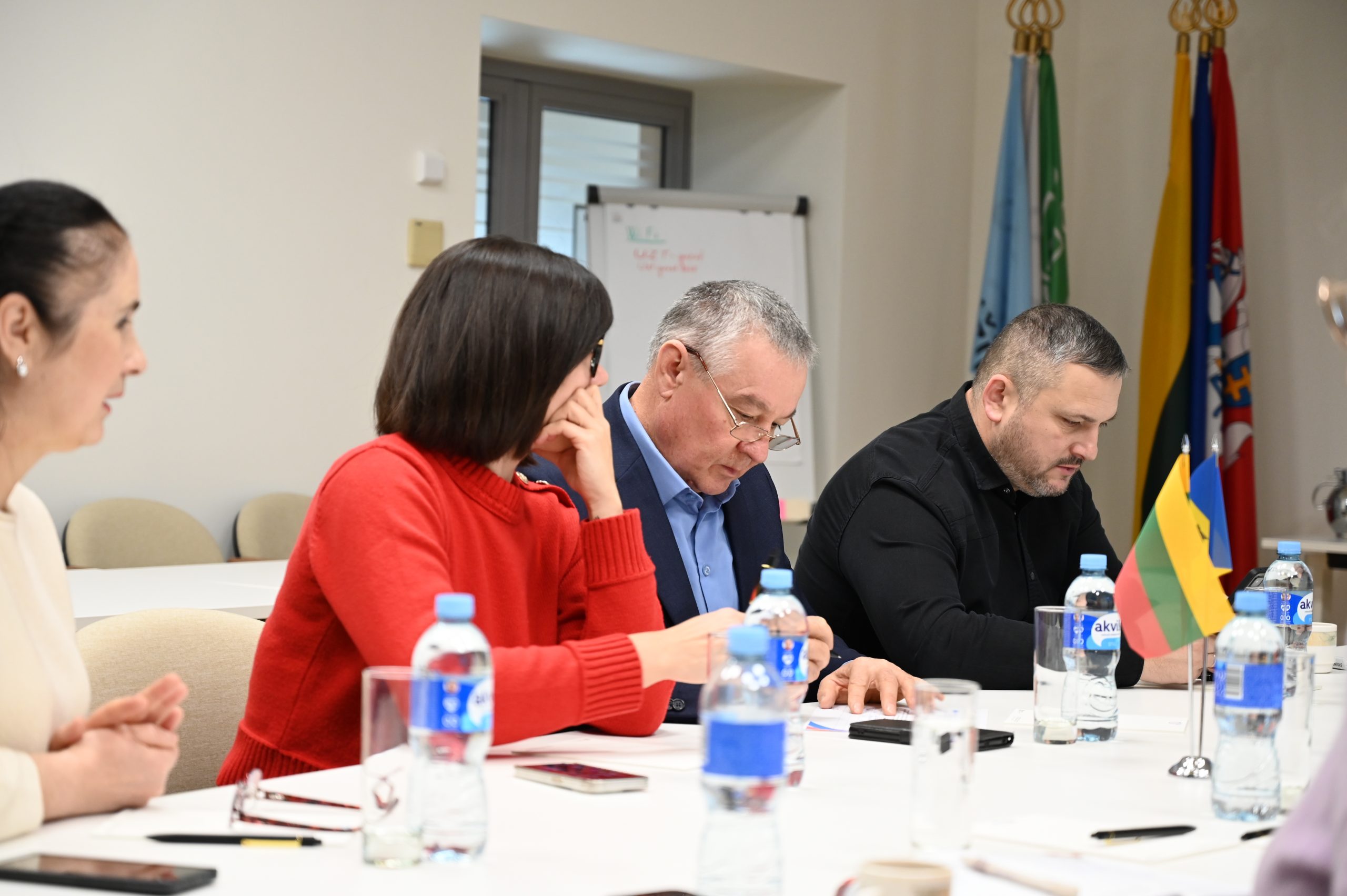
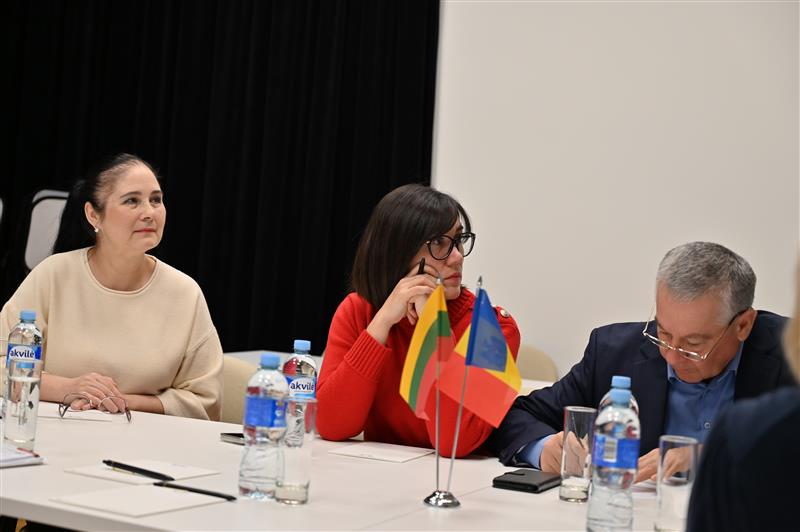
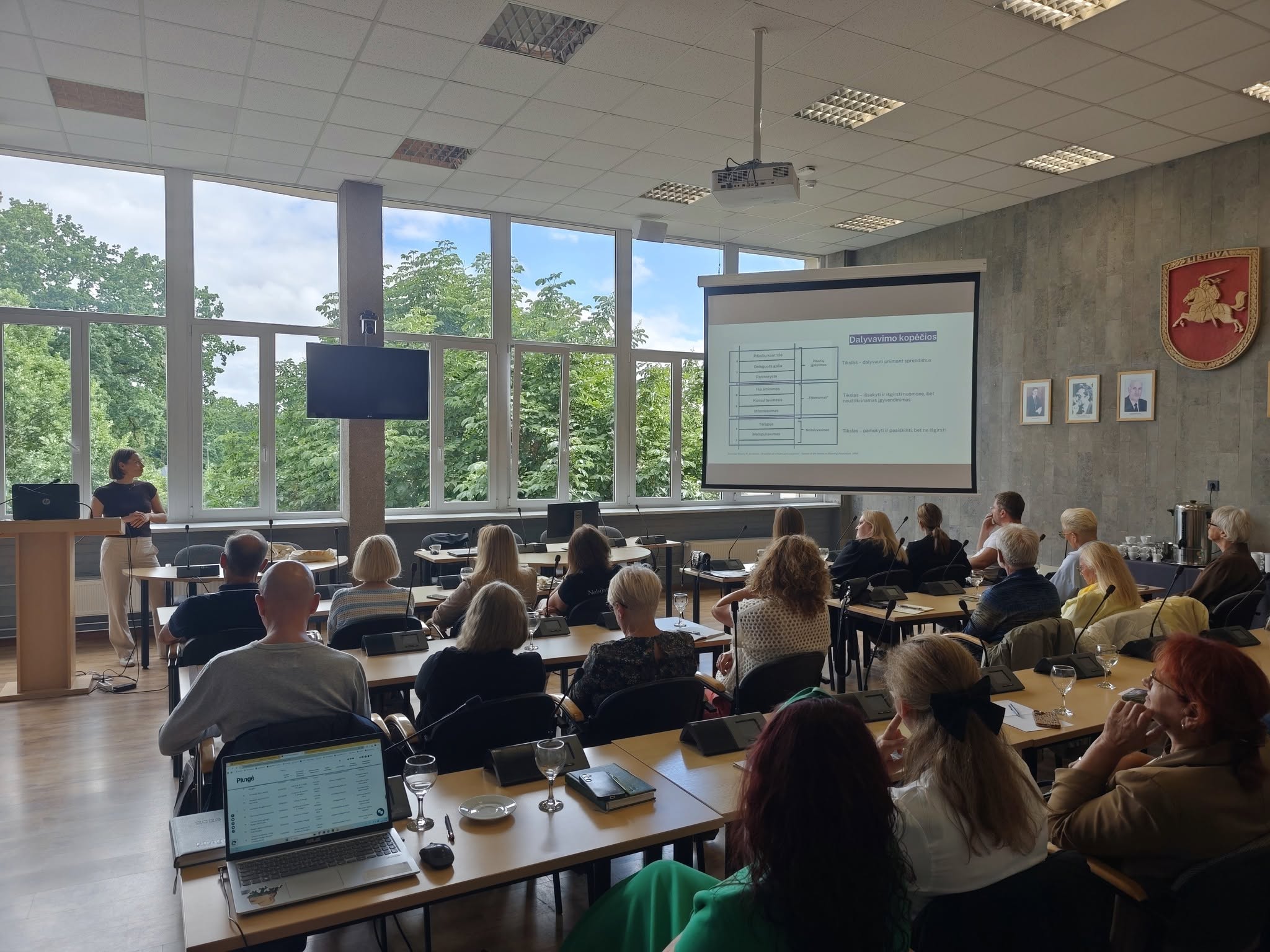
The programme in Lithuania was particularly intensive. The participants met with teams from the Lithuanian Employment Service in Vilnius, Kaunas and Šiauliai, as well as with representatives of municipalities, businesses and social partners. They observed how services for jobseekers and employers are organised, how regional labour market challenges are addressed and how the client journey model is applied in daily operations.
A significant part of the programme focused on active labour market policy measures, including vocational training, wage subsidies, job search support and assistance for vulnerable groups. Participants explored profiling and case management practices and discussed how these approaches could be adapted to their own national systems.
Since employment services in Moldova are still provided exclusively in person, Lithuania’s transition to a mixed service model attracted particular interest. The delegation explored online registration, remote consultations, automated job-matching tools and centralised information systems. They noted that it was especially valuable to see not only the technological solutions but also how they are integrated into everyday work, as well as how organisational structures and processes evolve in response.
According to the Director of Lithuania’s Employment Service, Inga Balnanosienė, who presented the institution’s strategy, operating model and current priorities, such exchanges benefit not only partners but also Lithuania.
“It is important for us to respond quickly to labour market challenges. This requires continuous organisational development and the exchange of experience. Traineeships are one of the ways to explore different practices and discover new, effective solutions,” said Ms Balnanosienė, who also currently serves as the Chair of the European Network of Public Employment Services.
The visit in Lithuania was organised by the Central Project Management Agency (CPVA) as part of the “EU4Youth“ programme, funded by the European Union and the Ministry of Foreign Affairs of the Republic of Lithuania, aimed at promoting youth employment and entrepreneurship in the Eastern Partnership countries.